 Skip to main content
Dr Harsh Shah, MS, MCh (Surgical Gastroenterology), DrNB (Surgical Gastroenterology), performs cytoreductive surgery with HIPEC for peritoneal surface malignancy at Apollo Hospital, Bhat, Gandhinagar. Consultations: Shah’s Gastro, Cancer & Robotic Surgery Centre, Gota, Ahmedabad.
Cytoreductive Surgery (CRS) is a procedure in which as much of the cancerous tumor and affected tissue as possible is removed. When cancer is widespread, chemotherapy alone is not always effective. Therefore, the goal is to remove as much of the tumor burden as possible before administering chemotherapy to enhance its effectiveness.

| Preparation Phase | Description | Purpose |
|---|---|---|
| Before Surgery | Thorough evaluation including lab tests, imaging, and consultation with surgical team. | To assess overall health and suitability for surgery. |
| Preoperative Assessment | Optimizing nutrition through oral intake or supplements before surgery. | Ensures the patient has adequate energy reserves for recovery. |
| Nutritional Support | Laxatives or enemas to cleanse the bowel and reduce infection risks during surgery. | Reduces the risk of contamination during the procedure. |
| Bowel Preparation | Counseling or support to address anxiety or concerns about the surgery. | Prepares the patient psychologically for the procedure. |
| Mental Preparation | Use of pain control methods such as medications or epidural anesthesia. | To minimize discomfort and improve post-surgery recovery. |
| Pain Management | Close monitoring of vital signs, wound healing, and signs of infection or complications. | To detect and address any complications promptly. |
| Postoperative Monitoring | Gradual reintroduction of oral intake or intravenous nutrition as tolerated. | To promote healing and regain strength. |
| Nutritional Rehabilitation | Encouraging light physical activity or exercises to improve mobility and reduce the risk of blood clots. | Enhances recovery and reduces complications like DVT. |
| Physical Therapy | Regular follow-up visits to monitor recovery, detect recurrences, and address any long-term side effects. | Ensures comprehensive recovery and early detection of recurrence. |
| Follow-up Care | Regular follow-up visits to monitor recovery, detect recurrences, and address any long-term side effects. | Ensures comprehensive recovery and early detection of recurrence. |
The surgery typically lasts between 8 to 12 hours due to the highly specialized and complex nature of the procedure.
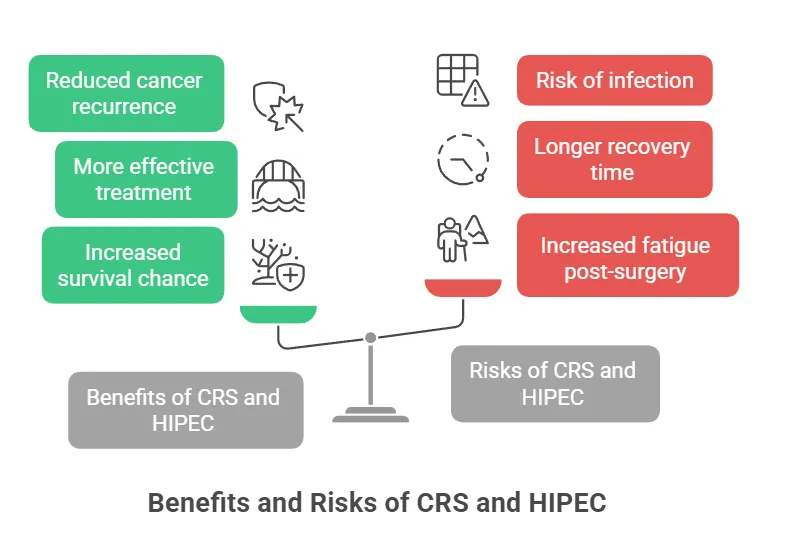
Yes, risks include fatigue, infection, and a longer recovery time. However, these risks can be minimized with proper care.
Complete recovery may take about 2 to 3 months after surgery. Rest and proper nutrition are essential during this time.
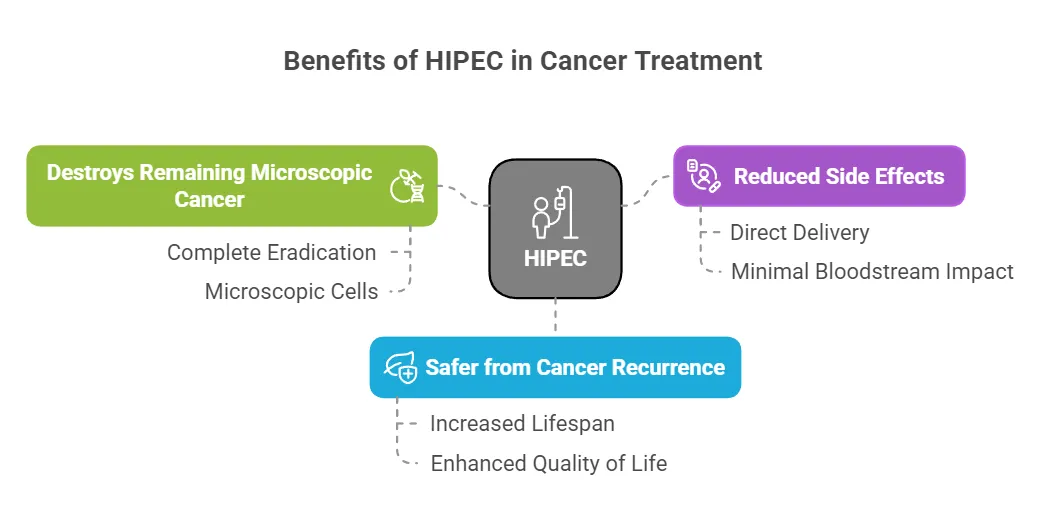
Yes, in HIPEC, the chemotherapy drugs are delivered directly to the peritoneum, targeting only the cancerous areas, and reducing side effects on other organs.
Yes, many medical insurance plans cover the costs of CRS and HIPEC surgery. It is important to check your policy document for details.
Yes, after recovery, the patient can return to a normal lifestyle within a few months, though regular check-ups are necessary.
If the surgery is performed properly and on time, it can improve lifestyle and reduce the risk of cancer recurrence.
In Gujarat, Apollo Hospital in Ahmedabad offers CRS and HIPEC surgery.

MS, MCh (GI cancer Surgeon)
Dr Harsh Shah is a well known GI & HPB Robotic Cancer Surgeon in Ahmedabad. He treats cancers of Esophagus, stomach, liver, pancreas, colon, rectum & small intestines. He is available at Apollo Hospital.
Dr Harsh Shah writes on recovery after surgery, which symptoms need a scan, and the questions patients actually ask in OPD. No advertising.
Your number is used for this letter and for the clinic to reach you. It is never sold or passed on. To stop, reply STOP on WhatsApp.

One Response
CRS and HIPEC surgery is a promising approach for advanced abdominal cancers, combining tumor removal with heated chemotherapy to improve survival and reduce recurrence risks effectively.