Skip to main content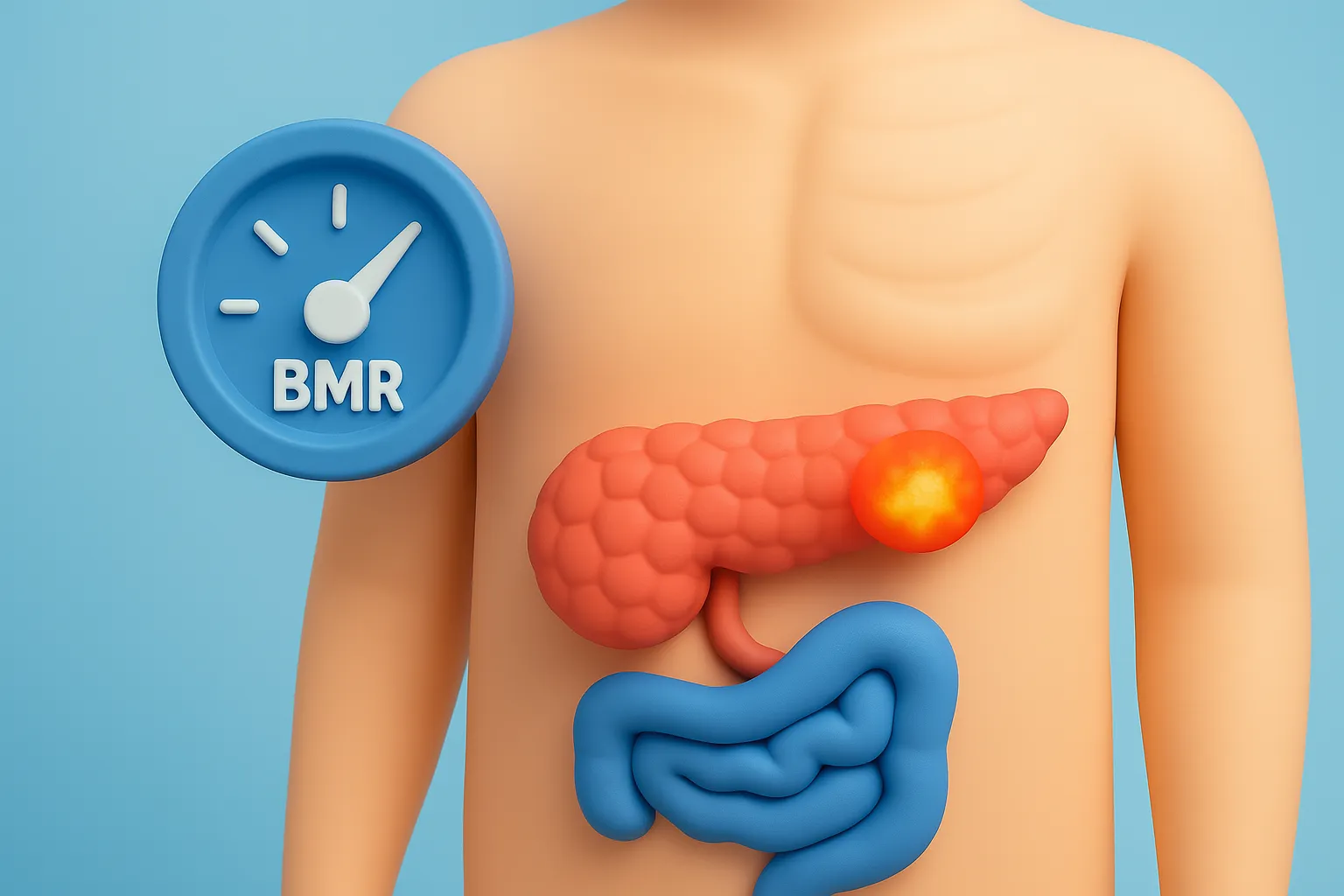
Your body is always using energy to do all its work, like breathing and digesting food. This is a normal process. Usually, your body uses energy at a steady, normal speed. But sometimes, it can suddenly start using energy much faster. When this happens, you might start losing a lot of weight for no reason, even when you are eating normally.
Where to get help
Dr Harsh Shah, MS, MCh (Surgical Gastroenterology), DrNB (Surgical Gastroenterology), performs pancreatic cancer surgery, including the Whipple operation at Apollo Hospital, Bhat, Gandhinagar.
The OPD is in Gota, Ahmedabad. Losing weight with no clear cause? Ask us. Send your reports. We will look at them. Ask early. It is free to ask. You can read about pancreatic cancer treatment in Ahmedabad on that page. Bring your reports. Second opinions are welcome.

Watch: Early signs of pancreatic cancer
Call +91 63555 64601
Ask on WhatsApp
Last updated: 18 September 2026
| Feature | Basal Metabolic Rate (BMR) | Total Daily Energy Expenditure (TDEE) |
|---|---|---|
| What it Measures | Energy used for basic functions at complete rest (breathing, circulation, etc.). | Total energy used in a full day, including all activities. |
| When it's Measured | When you are physically and mentally inactive, like when you first wake up. | Over a whole 24-hour period of normal life. |
| What it Includes | Only essential, life-sustaining processes. | BMR + Energy for digestion + Energy for physical activity (walking, working, exercise). |
| Simple Explanation | The basic energy your body uses to function while resting. | The total energy your body uses throughout the day. |
⦿ Let’s focus on insulin, as it’s a crucial piece of the puzzle. After you eat, your food is broken down into glucose, which enters your blood. High blood sugar is not good for the body, so the pancreas releases insulin.
⦿ Insulin travels through the blood and signals to the cells in your muscles, fat, and liver to open up and take in this glucose. The cells then use this glucose for immediate energy. If there’s extra glucose, insulin helps store it in the liver and muscles for later use.
⦿ If the pancreas can’t make enough insulin, or if the body’s cells stop responding to it properly (a condition called insulin resistance), sugar stays trapped in the blood. This can lead to diabetes, which is a common early sign of problems with the pancreas.
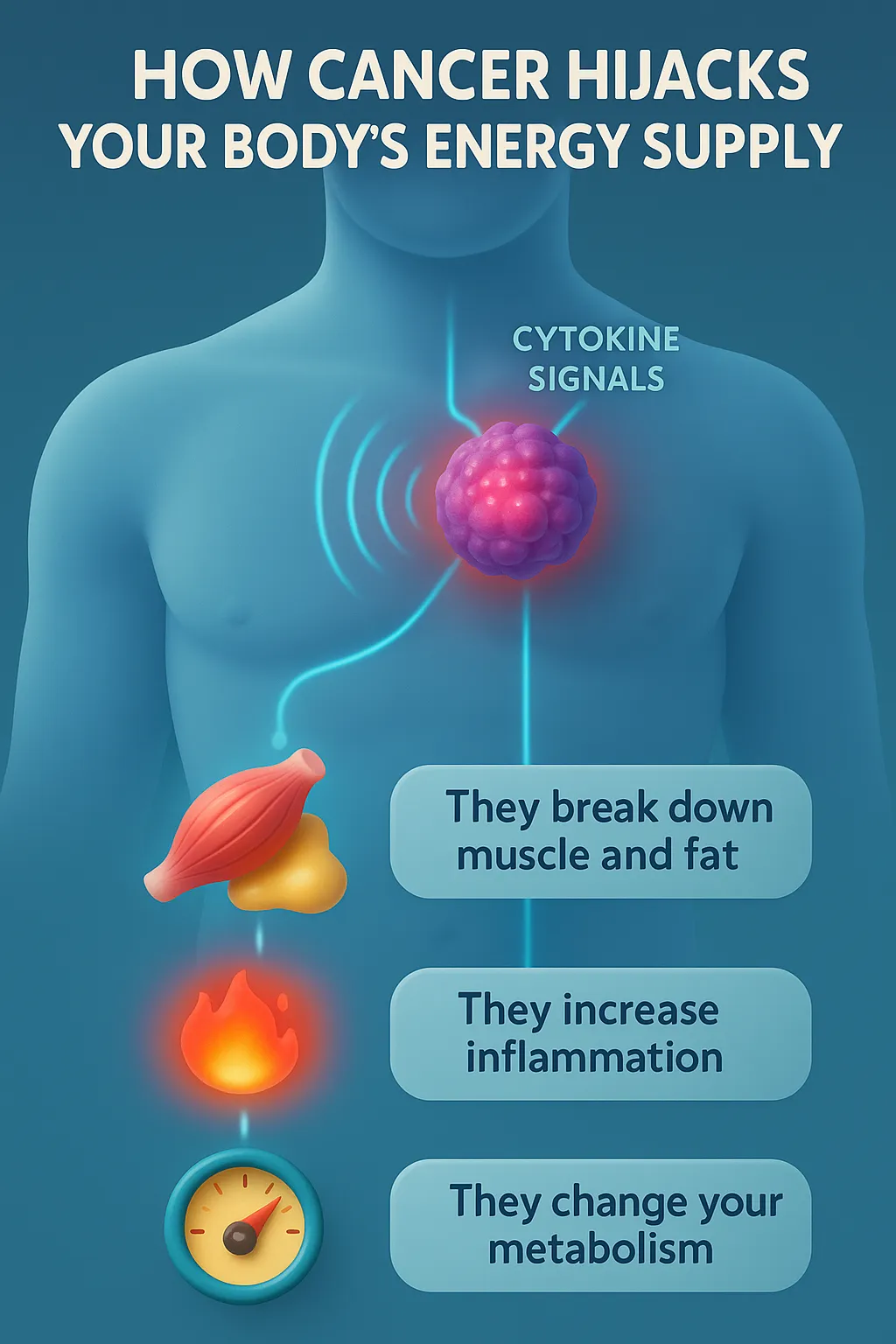
⦿ This severe process of weight loss, muscle wasting, and loss of appetite is called cancer cachexia. It’s not the same as simple starvation. In starvation, the body tries to conserve muscle and slow down its metabolism to survive. In cachexia, the metabolism speeds up, and the body actively breaks down muscle.
⦿ Cachexia is responsible for the profound weakness and fatigue that many pancreatic cancer patients experience. It’s a sign that the cancer is having a major, system-wide effect on the body’s metabolism. Unfortunately, cachexia is very common in pancreatic cancer, affecting up to 80% of patients. It’s a clear signal that the body’s energy balance has been completely overturned by the disease.
⦿ This increased BMR is the direct cause of unexplained weight loss. If your body is suddenly burning, say, 300-500 extra calories every day just by existing, you will start losing weight unless you significantly increase the amount of food you eat.
⦿ But pancreatic cancer often makes this impossible because it also causes a loss of appetite. Patients often feel full quickly or lose their desire to eat altogether. So, you have a double problem:
– Your body is demanding more energy (higher BMR).
– Your body is getting less fuel (due to loss of appetite).
⦿ This gap between energy spent and energy consumed leads to rapid and significant weight loss. If you lose more than 5% of your normal body weight in a few months without trying, it is a major red flag that should be discussed with a doctor immediately. For a person weighing 70 kg, this would be a loss of 3.5 kg or more.
Because the cancer can block the flow of digestive juices, it can lead to problems with digestion.
⦿ Greasy, Floating, or Pale Stools: Without pancreatic enzymes to break down fat, the fat passes through your body and ends up in your stool. This can make them oily, smelly, and difficult to flush.
⦿ Nausea and Vomiting: A tumor pressing on the stomach can cause feelings of sickness or lead to vomiting.
| Symptom Category | Specific Signs to Watch For | What it Might Mean |
|---|---|---|
| Metabolic Changes | Unexplained weight loss, extreme fatigue, loss of appetite, new or worsening diabetes. | The cancer is hijacking the body's energy systems, increasing BMR. |
| Jaundice-Related | Yellow skin and eyes, dark-colored urine, pale and greasy stools, itchy skin. | The tumor is likely in the head of the pancreas, blocking the bile duct. |
| Pain | A dull, nagging pain in the upper belly that may spread to the back. Pain that is worse after eating. | The tumor is growing and pressing on surrounding nerves and organs. |
| Digestive Issues | Nausea, vomiting, indigestion, diarrhea, or floating, foul-smelling stools. | The cancer is interfering with the production or flow of digestive enzymes. |
When you see a doctor, they will listen to your symptoms and perform a physical exam. They may press on your abdomen to check for any lumps or tenderness. If they suspect a problem with your pancreas, they will order further tests. These might include:
⦿ Blood Tests: To check for high levels of bilirubin (a sign of jaundice) or other substances that can point to a tumor.
⦿ Imaging Tests: An ultrasound, CT scan, or MRI scan can create detailed pictures of your pancreas and the surrounding organs, allowing the doctor to see if a tumor is present.
⦿ Endoscopic Ultrasound (EUS): A special test where a thin tube with a camera and ultrasound probe is passed down your throat to get a very close look at the pancreas.
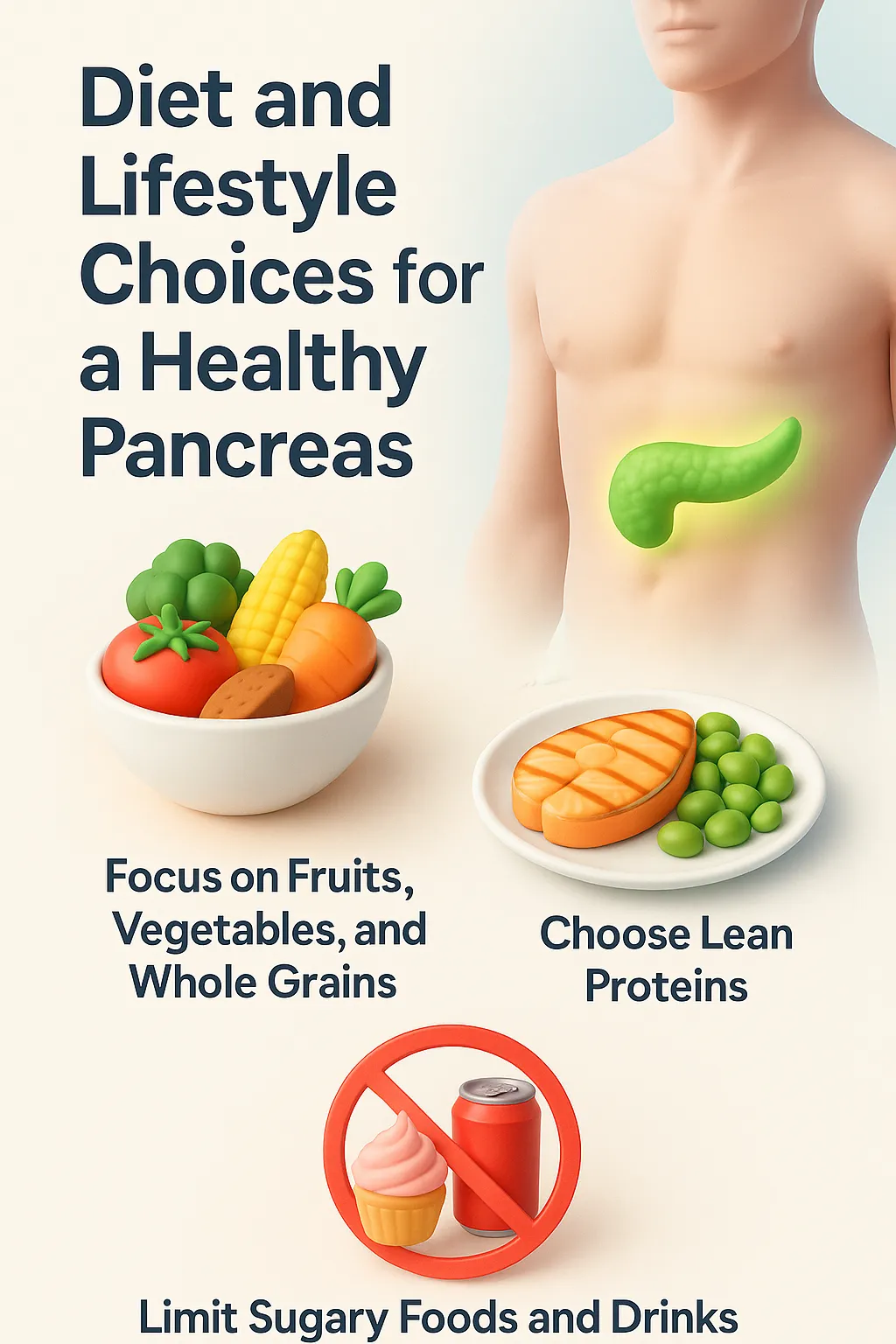
⦿ Focus on Fruits, Vegetables, and Whole Grains: These are rich in vitamins, minerals, and antioxidants, which help protect your body’s cells from damage.
⦿ Choose Lean Proteins: Fish, chicken, beans, and lentils are easier on your digestive system than heavy, fatty red meats.
⦿ Limit Sugary Foods and Drinks: High sugar intake forces your pancreas to work overtime to produce insulin. Over time, this can be stressful for the pancreas.
⦿ Tobacco Use: Smoking cigarettes is one of the biggest and most preventable risk factors for pancreatic cancer. Smokers are about twice as likely to get pancreatic cancer as non-smokers. Quitting is the single best thing you can do to reduce your risk.
⦿ Alcohol Consumption: Heavy alcohol use can lead to pancreatitis, which is chronic inflammation of the pancreas. Over time, chronic pancreatitis can increase the risk of developing pancreatic cancer. It’s best to limit alcohol intake.
| Lifestyle Area | Positive Actions (Lower Risk) | Negative Actions (Increase Risk) |
|---|---|---|
| Diet | Eat plenty of fruits, vegetables, whole grains, and lean proteins. Stay hydrated with water. | Consume a lot of red and processed meats, sugary drinks, and highly processed foods. |
| Weight | Maintain a healthy Body Mass Index (BMI) through diet and exercise. | Being overweight or obese, especially with excess fat around the waist. |
| Habits | Do not smoke or use any form of tobacco. Engage in regular physical activity. | Smoking cigarettes or chewing tobacco. Heavy and frequent alcohol consumption. |
| Health Monitoring | Get regular health check-ups. Manage diabetes and other chronic conditions effectively. | Ignoring persistent symptoms like unexplained weight loss or stomach pain. |
⦿ Your body has its own language, and it often speaks through subtle signs and changes. An unexpected shift in your metabolism—your body’s core processes suddenly working too hard, causing you to lose weight without trying—is not something to be ignored. While it could be due to many things, this change in your Basal Metabolic Rate (BMR) can be a crucial early warning from your body about a serious problem like pancreatic cancer.
⦿ Understanding the link between your metabolism, your pancreas, and your overall health empowers you to be a better advocate for yourself. By paying attention to these signals, especially unexplained weight loss, and seeking medical advice promptly, you give yourself the best possible chance for early detection and better outcomes. Your health is in your hands, and listening to your body is the first and most important step.

MS, MCh (GI cancer Surgeon)
Dr Harsh Shah is a well known GI & HPB Robotic Cancer Surgeon in ahmedabad. He treats cancers of esophagus, stomach, liver, pancreas, colon, rectum & small intestines. He is available at Apollo Hospital.
Swasth Parivar: twice a month, practical advice on recovery, diet and warning signs. No advertising. Stop any time.
Your number is used for these updates and for the clinic to reach you. It is never sold or passed on. To stop, reply STOP on WhatsApp.