WhatsApp Skip to main content

Dr. Harsh J Shah

How Is an Anal Fissure Treated Without Surgery?

A fissure is a small tear at the anus that makes passing stool very painful. Most heal with medicines, softer stools and simple care at home.

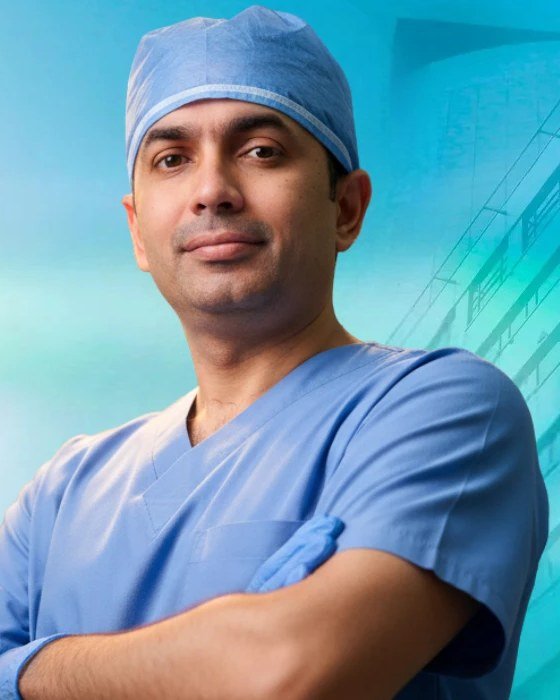
Dr Harsh Shah, surgical gastroenterologist, Gota OPD, Ahmedabad

Dr Harsh Shah

MS, MCh (Surgical Gastroenterology), DrNB (Surgical Gastroenterology)

Gastro Surgeon · Apollo Hospital, Bhat, Gandhinagar · Gota OPD, Ahmedabad · 18 years of experience

★★★★★ Read patient reviews on Google

Last updated: 4 October 2026

IN SHORT

An anal fissure is a small tear in the skin at the opening of the anus. It causes sharp pain during and after passing stool, sometimes with fresh blood.
Most fissures heal without an operation. Soft stools, plenty of water and fibre, warm water sitz baths and a prescribed ointment are the main treatment.
See a doctor if pain or bleeding lasts more than a few days. Bleeding with weight loss, or a change in bowel habit, always needs a proper check-up.

What is an anal fissure?

An anal fissure is a small cut or tear in the thin skin that lines the opening of the anus. It usually happens when a hard or large stool stretches the skin. It can also follow a bout of loose motions.

The tear makes the ring muscle around the anus (the sphincter) go into spasm. The spasm causes more pain and reduces blood flow to the tear, so it heals slowly. Medical treatment works by breaking this cycle: soft stools, and relaxing the muscle.

What are the symptoms?

The main symptom is sharp, cutting pain when you pass stool. The pain can last from a few minutes to a few hours afterwards. Other signs are:

  • A streak of bright red blood on the stool or on the toilet paper
  • Burning or itching around the anus
  • Fear of going to the toilet, which makes constipation worse
  • In an old fissure, a small skin tag at the edge of the anus

How is a fissure treated with medicines?

Treatment aims to keep stools soft and to relax the spasm in the anal muscle, so the tear gets enough blood flow to heal on its own.
  1. Soft stools. Drink enough water through the day. Eat more fibre: vegetables, fruit, dal and whole grains. The doctor may add a fibre powder or a gentle stool softener.
  2. Warm water sitz bath. Sit in a tub of plain warm water for a few minutes after passing stool and once or twice more in the day. It relaxes the muscle and eases pain.
  3. Prescription ointment. An ointment that relaxes the anal muscle is applied as advised. It improves blood flow to the tear and helps it heal.
  4. Pain relief. A numbing gel before passing stool, and simple pain tablets if needed.
  5. Toilet habits. Go when you feel the urge. Do not strain or sit for long on the toilet. Avoid reading or using the phone there.

New fissure or old fissure?

New (acute) fissureOld (chronic) fissure
How longA few days to a few weeksMany weeks or months, or keeps coming back
LookA clean, fresh tearDeeper tear, often with a skin tag
Usual treatmentSoft stools, sitz baths, ointmentSame, plus a prescription ointment for longer
OutlookMost heal with home care and medicinesMost still heal with medicines; a few need further treatment

What can you do at home?

Home care is half of the treatment. Keep the stools soft every day, not just when the pain is bad. Wash the area gently with plain water after passing stool, and pat it dry. Avoid soap, scented wipes and harsh rubbing.

Spicy food does not cause a fissure, but if it makes the burning worse, cut down while the tear heals. Keep the soft-stool habits for some weeks after the pain stops, so the tear does not open again.

Warning signs: see a doctor soon

Most anal pain and bleeding is from a fissure or piles. But some signs need a proper check-up:

  • Bleeding that is heavy, dark, or mixed with the stool
  • Bleeding with weight loss, tiredness or a change in bowel habit
  • Pain with fever, or a painful swelling near the anus
  • A fissure that has not healed after some weeks of proper treatment

Read more about blood in the stool and when to get it checked.

When is surgery considered?

Surgery is not the first step. It is considered only for a long-standing fissure that has not healed despite proper medical treatment. The doctor first examines you and checks that nothing else is causing the problem. The options are then explained, and you decide with your family.

Getting a fissure treated in Ahmedabad

Dr Harsh Shah is a surgical gastroenterologist with 18 years of experience. At his Gota OPD he treats anal fissure with medicines and home care, after a gentle examination. The OPD consultation fee is Rs 1,500. Read about what happens at your first visit, or see his gastro surgeon in Ahmedabad page.

Frequently asked questions

Will an anal fissure heal without an operation?

Most do. A new fissure usually heals with softer stools, warm water sitz baths and a soothing ointment. An older fissure takes longer and often needs a prescription ointment.

Is a fissure the same as piles?

No. A fissure is a small tear in the skin of the anus. Piles are swollen blood vessels. Both can bleed, but a fissure usually causes sharp pain during and after passing stool.

How long does a fissure take to heal?

A new fissure often settles within a few weeks of treatment. An old, long-standing fissure can take a couple of months. Keep the stools soft even after the pain stops.

Can I use any ointment from the chemist?

A numbing gel can ease pain for a while, but it does not heal the tear. The ointments that relax the muscle need a prescription, and the doctor tells you how to use them.

When is surgery needed for a fissure?

Only when a long-standing fissure does not heal despite proper medical treatment. The doctor examines you first and discusses the options before anything is decided.

Where to find us

OPD · Consultation
Shah’s Gastro, Cancer & Robotic Surgery Centre
SF-203, 2nd floor, Olive Greens, Gota, S G Highway, Ahmedabad 382481
Open in Google Maps

Hospital · Surgery
Apollo Hospital International Limited
Plot No. 1 A, GIDC Bhat Industrial Estate, Bhat, Gandhinagar
Open in Google Maps

Dr Harsh Shah, MS, MCh (Surgical Gastroenterology), DrNB (Surgical Gastroenterology). Call +91 63555 64601 · Ask on WhatsApp

Painful stools or bleeding? Call the Gota OPD to book a consultation.

Rate this page

Get health updates from Dr Harsh Shah on WhatsApp

Swasth Parivar: twice a month, practical advice on recovery, diet and warning signs. No advertising. Stop any time.

Your number is used for these updates and for the clinic to reach you. It is never sold or passed on. To stop, reply STOP on WhatsApp.

Dr. Harsh J Shah
Dr Harsh Shah - Surgical Gastroenterologist and GI Robotic Surgeon, Ahmedabad
Privacy Overview

This website uses cookies so that we can provide you with the best user experience possible. Cookie information is stored in your browser and performs functions such as recognising you when you return to our website and helping our team to understand which sections of the website you find most interesting and useful.