Skip to main content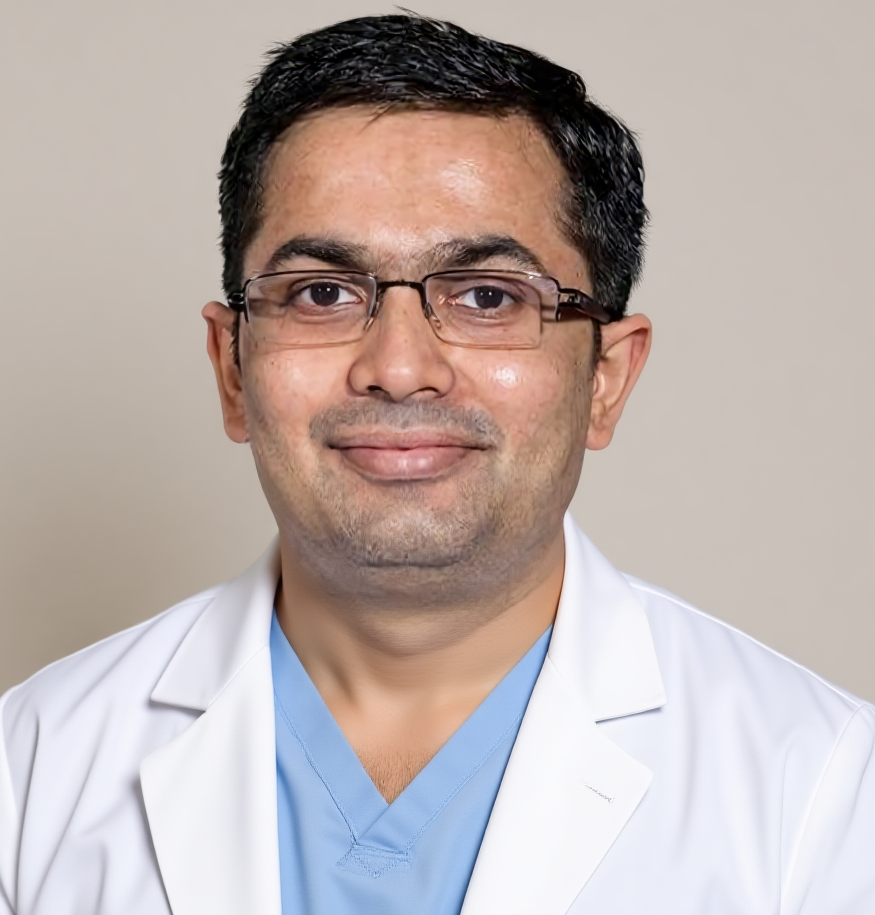
Dr Harsh Shah
MS, MCh (Surgical Gastroenterology), DrNB (Surgical Gastroenterology)
Registered with Gujarat Medical Council, Reg. No. G-38738
GI & Proctology Surgeon
Apollo Hospital, Bhat, Gandhinagar · Gota OPD, Ahmedabad · 18 years of experience · +91 63555 64601
★★★★★ Google rating: 4.89 from 216 reviews (Gota clinic) · 4.94 from 18 reviews (Apollo, Bhat)
In short
Piles can come back after any treatment, but after open surgery it is uncommon. Piles that were removed do not grow back.
After banding, piles return more often. A second or third session is a normal part of the plan, not a failure.
Soft daily stools, no straining and short toilet visits are the habits that lower the chance most.
Everyone has soft cushions of blood vessels inside the anus. Treatment deals with the swollen ones, but the cushions left behind can swell later.
These cushions are normal. They help seal the anus so it does not leak. They become piles when they swell and slide down, usually after years of straining, hard stools or long toilet visits. Pregnancy, heavy lifting and age loosen their support too.
Treatment deals with the piles causing trouble today. The smaller cushions in between stay, because removing all the tissue would harm the anus. So a pile that comes back is usually a new one from the tissue left behind, not the old one growing again.
Open surgery has the lowest return of any piles treatment, because the swollen piles are cut away. When symptoms return, they are usually mild.
Studies that compare many piles operations agree on this point. Removing the piles keeps them away longer than shrinking them, lifting them or cutting off their blood supply. That is why Dr Shah uses open surgery for large piles, grade 4 piles and piles with an outside lump.
When something does come back after surgery, it is often a small inside pile that bleeds now and then. It can usually be banded in the OPD. A second operation is rarely needed.
Banding controls many grade 1 to 3 piles, but they come back more often than after surgery. Repeat banding is often enough.
One round of banding settles symptoms for most people. Some find that bleeding or a small lump returns months or years later. A second or third session then brings most piles under control again. This is planned from the start, so it is not a sign that banding has failed.
If piles keep returning after two or three full rounds of banding, open surgery is the next step. In a large trial, a single operation of another kind kept piles away better than a single banding. The difference came almost entirely from repeat banding sessions, which most people accept as part of the plan.
The more a treatment removes, the less often piles return. The less it removes, the easier the recovery tends to be.
| Treatment | What it does | How often piles return | If they return |
|---|---|---|---|
| Diet, fibre and medicines | Softer stools, less straining | Often, if habits slip | Banding |
| Banding in the OPD | Ties off inside piles | Fairly often; repeat sessions are normal | Repeat banding, then surgery |
| Open surgery | Removes the large piles | Least often of all | Banding of a small new pile; rarely more surgery |
| Laser and other non-cutting methods (used at other centres, not by Dr Shah) | Shrink piles from inside | More often than after surgery | Repeat treatment, banding or surgery |
Piles that were large, many in number, or treated with a lighter method are the ones most likely to return.
Grade 4 piles that stay outside, piles with a big outside lump, and four or more piles at once have more loose tissue around them. After banding, these return more often than small bleeding piles. That is why the grade is checked carefully at the first visit, and why large piles are treated with surgery instead of repeated banding. Matching the treatment to the pile is the first step in keeping it away.
Piles often appear or worsen in pregnancy. Many settle after the baby is born, so surgery is usually delayed until then.
The growing womb presses on the veins of the pelvis, and constipation is common in pregnancy. Diet, fibre, sitz baths and safe ointments ease most symptoms. A painful clot can be treated if needed. Planned surgery is kept until a few months after delivery. A later pregnancy can bring piles back, even after earlier treatment, so the same habits help again.
Long-term constipation, straining, long toilet visits and heavy lifting raise the chance. So does leaving a large pile untreated.
The same habits that ease piles also keep them away. Start them during recovery and keep them for life.
These habits matter most in the months after treatment, while the area settles. They also help people who never had surgery, and they cost nothing. If you still strain or pass hard stools despite them, tell the doctor. A long-term softener, or a check for a slow bowel, may be needed.
New bleeding or a lump after treatment is not always a pile coming back. A skin tag, a fissure or another bowel cause can look similar.
A soft flap of skin at the edge of a healed wound is a skin tag, not a pile. A sharp, tearing pain with motions is more often a fissure, a small cut in the anus. Bleeding is always checked to rule out other causes higher in the bowel, and a colonoscopy is advised when your age, symptoms or family history call for it.
A returning pile is usually small and is treated in the OPD with banding. A second operation is seldom needed.
Dr Shah first examines you to see what has returned and how large it is. Small bleeding piles are banded. Diet and bowel habits are looked at again, because they are often the reason. Larger piles that return after banding are removed with open surgery. A pile that returns years after surgery is treated the same way as a new one, based on its grade. Earlier operation notes help, so bring them to the visit. Each step is explained on the piles treatment page linked below.
They can, but it is uncommon after open surgery. Removed piles do not grow back. A new pile can form from tissue left behind, usually small.
More often than after surgery. A second or third banding session is a normal part of the plan and controls most returning piles.
No. A skin tag is a soft flap of skin at the edge of a healed wound. It is harmless and can be removed if it bothers you.
Keep your stool soft with fibre and water, do not strain, keep toilet visits short, stay active, and treat constipation early.
More often than after open surgery. In careful trials, piles returned more often after laser, which other centres use, than after surgery. Dr Shah does not use laser.
Rarely. A returning pile is usually small and can be banded in the OPD. Surgery is kept for larger piles that keep coming back.
How each grade of piles is treated, from banding to open surgery, is explained on the piles treatment page. All back-passage problems are seen at the piles, fissure and fistula clinic.
Shah’s Gastro, Cancer & Robotic Surgery Centre, Gota, Ahmedabad
SF-203, 2nd Floor, Olive Greens, Gota, Ahmedabad. Consultation, examination of piles, banding in the OPD and follow-up.
Apollo Hospital, Bhat, Gandhinagar
Apollo Hospital International Limited, Plot No. 1 A, GIDC Bhat Industrial Estate, Bhat, Gandhinagar. Admission, open piles surgery and inpatient care.
Worried your piles will come back after treatment? Ask how your grade affects the chance. Call first, or send your questions on WhatsApp. Call +91-63555-64601 Send your questions on WhatsApp
Swasth Parivar: twice a month, practical advice on recovery, diet and warning signs. No advertising. Stop any time.
Your number is used for these updates and for the clinic to reach you. It is never sold or passed on. To stop, reply STOP on WhatsApp.