WhatsApp Skip to main content

Dr. Harsh J Shah

Anal Fissure Treatment in Ahmedabad: Ointment First, Sphincterotomy If It Will Not Heal

Gastroclinix · Dr Harsh Shah · Ahmedabad & Gandhinagar

Last updated: 18-Oct-2026

Fissure treatment in Ahmedabad by Dr Harsh Shah · Gota OPD, Gota, Ahmedabad · Apollo Hospital, Bhat, Gandhinagar

Most anal fissures heal without an operation. Dr Harsh Shah starts with stool softeners, fibre, warm sitz baths and a diltiazem or GTN ointment for six to eight weeks.

A chronic fissure that does not heal on a full course of medicines is treated with lateral internal sphincterotomy (LIS). It is a short day-care operation that relaxes the tight muscle so the tear can heal.

A fissure that sits off the centre line, or looks unusual, is checked for other causes before any operation is planned.

What Dr Harsh Shah does for anal fissure

Two steps. Medicines and stool care for six to eight weeks first. Lateral internal sphincterotomy only for a chronic fissure that has not healed on a proper course.
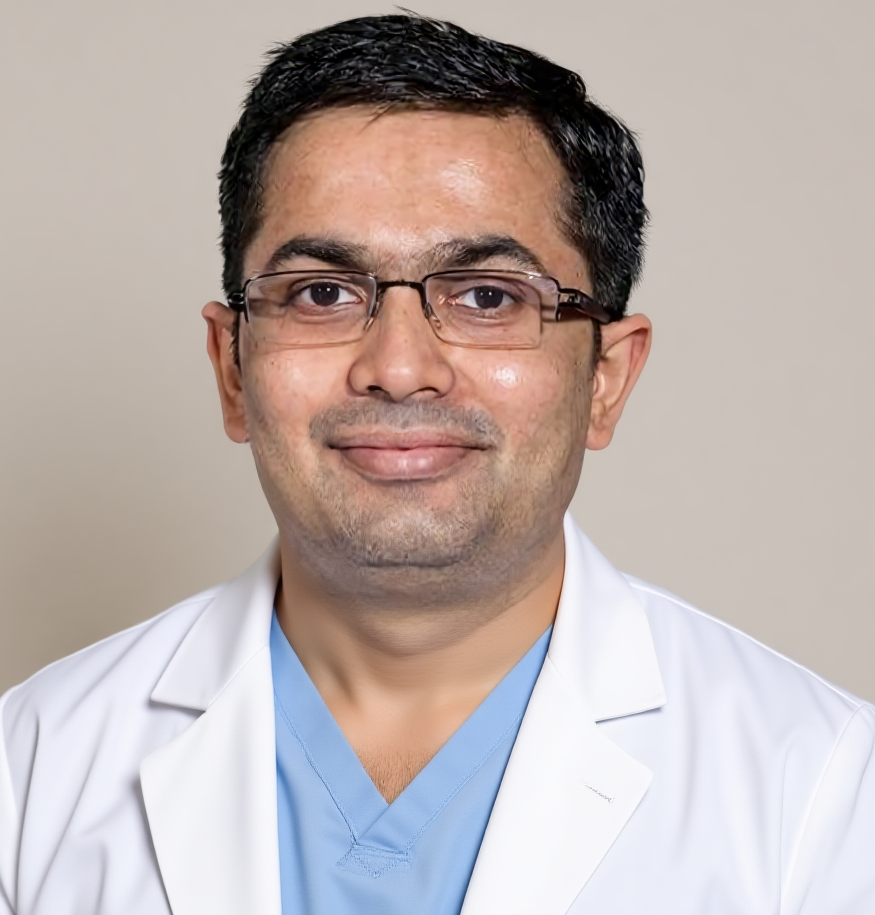
Dr Harsh Shah, GI and proctology surgeon, Ahmedabad
Dr Harsh Shah, MS, MCh (Surgical Gastroenterology), DrNB (Surgical Gastroenterology).

Dr Harsh Shah has 18 years of experience in gut and anal surgery. He examines the fissure himself, decides whether it is new or long-standing, and does the sphincterotomy himself when it is needed.

Dr Harsh Shah
MS, MCh (Surgical Gastroenterology), DrNB (Surgical Gastroenterology)
Registered with Gujarat Medical Council, Reg. No. G-38738
GI & Proctology Surgeon · Apollo Hospital, Bhat, Gandhinagar · Gota OPD, Ahmedabad

Google rating 4.89 from 216 reviews at the Gota clinic, and 4.94 from 18 reviews at Apollo, Bhat.

Which treatment for which kind of fissure
Your fissureWhat Dr Shah advisesHow long before review
New (acute) fissure, in the centre lineFibre, water, a stool softener and warm sitz baths. A diltiazem or GTN ointment is often added.Six to eight weeks
Long-standing (chronic) fissure, in the centre lineThe same stool care plus a diltiazem or GTN ointment, used twice a day, every day.Six to eight weeks
Chronic fissure not healed after a full, correct courseLateral internal sphincterotomy (LIS), as a day-care operation.Wound check at about two weeks, healing check at six to eight weeks
Fissure off the centre line, more than one fissure, or an unusual lookTests first, often an examination under anaesthesia with a small tissue sample.Plan made once the result is back
Fissure with low continence reserve (for example after a difficult childbirth)A longer course of medicines, or a very short, measured sphincterotomy. Referral if a muscle-sparing operation suits you better.Decided after examination

Home care for a fissure is explained in our fissure guide. This page covers Dr Shah’s choices at the clinic, the operation, and real recovery.

Is it a fissure, or piles?

A fissure is a small tear in the skin lining the anus. It causes sharp, cutting pain during and after a motion, with a streak of bright blood on the stool or paper.

The pain can last an hour after the toilet. Many people then hold the stool back, the next motion is harder, and the skin tears again. Piles more often bleed without much pain, or cause a lump that comes out. Some people have both.

Bleeding from the back passage should always be checked, even when a fissure explains it. In the right patients, such as those over about 45 or with a change in bowel habit, Dr Shah advises a colonoscopy to rule out other causes. Piles have their own page: piles treatment in Ahmedabad.

Acute or chronic: the split that decides the treatment

An acute fissure is a fresh, shallow tear that usually heals with stool care. A chronic fissure has lasted more than six to eight weeks, or keeps coming back, and needs the muscle relaxed.

Acute and chronic fissure side by side
QuestionAcute fissureChronic fissure
How longLess than about six weeksMore than six to eight weeks, or comes back again and again
How it looksA clean, shallow cutA deeper tear with hard, raised edges
Tag at the edgeUsually noneOften a sentinel tag outside, and a small lump inside
MuscleMay tighten with painStays tight all the time, which keeps the tear short of blood
Usual first stepFibre, water, stool softener, sitz bathsThe same, plus a muscle-relaxing ointment
If it does not healIt is treated as chronicLateral internal sphincterotomy

Why does a fissure get stuck? The inner ring of muscle, the internal sphincter, goes into spasm with the pain and squeezes the thin blood supply to the tear. A tear short of blood cannot heal, and the pain keeps the spasm going. Every treatment for a chronic fissure works by relaxing that muscle.

Signs that a fissure has become chronic

Dr Shah looks for four signs at a gentle examination. Any one of them means the fissure is long-standing and needs more than stool care alone.

  1. A sentinel tag. A soft skin tag at the outer end of the tear. It is a marker of the fissure, not a pile.
  2. Exposed muscle. White bands of the internal sphincter can be seen at the floor of the tear.
  3. A small lump inside. A swollen skin flap at the inner end of the tear, called a hypertrophied papilla.
  4. Hard, raised edges. Scar tissue around the tear instead of a clean cut.

The examination is done by looking, with the buttocks gently parted. A painful internal examination is not needed to make the diagnosis.

When a fissure is off the centre line

Ordinary fissures sit in the centre line, at the back or front of the anus. A fissure at the side, or more than one, is checked for another cause before it is treated as a simple fissure.

Other causes that can look like a fissure
Possible causeCluesHow it is checked
Crohn’s diseaseSeveral fissures, swollen tags, loose motions, weight lossTissue sample, colonoscopy, sometimes an MRI
Tuberculosis (TB)A slow, undermined sore that does not heal; common in IndiaTissue sample sent for TB tests
Infections, including sexually spread onesAn unusual sore, sometimes with little painBlood tests and swabs
Other rare causesA hard, irregular edge, or a sore that will not heal on correct treatmentExamination under anaesthesia and a tissue sample

This matters because cutting the muscle in these conditions can do harm. A Crohn’s fissure, for example, heals poorly after a sphincterotomy; the Crohn’s itself needs treating. So Dr Shah does not operate on a fissure he has not first confirmed as an ordinary one.

First step: six to eight weeks of medicines and stool care

For most fissures, the first plan is soft stools, warm sitz baths and a muscle-relaxing ointment. A full six to eight week course heals many fissures without any operation.

  1. Soft stools every day. Fibre, an ispaghula (isabgol) supplement and enough water. A stool softener if needed.
  2. Warm sitz baths. Ten to fifteen minutes in plain warm water after each motion. It relaxes the muscle and eases pain.
  3. Diltiazem ointment. A pea-sized amount is applied at the anal opening twice a day. It relaxes the internal sphincter and lets blood reach the tear.
  4. Or GTN ointment. It works in the same way. Headache is a common side effect, especially in the first week. Dr Shah tells you how to handle it, or switches you to diltiazem.
  5. Review at six to eight weeks. The fissure is looked at again to decide whether it has healed.

The commonest reason an ointment seems to fail is that it was stopped early. Two weeks of GTN, stopped because of headache, is not a failed course. Stool care stays for life; a healed fissure in someone who stays constipated tends to come back.

When lateral internal sphincterotomy is advised

LIS is advised for a typical chronic fissure that has not healed after a full, correct course of medicines, or keeps coming back, in a person whose bowel control is safe.

Large reviews of trials show that it heals far more chronic fissures than ointments alone, and fewer come back. It is still an operation on a benign condition, so Dr Shah advises it only after medicines have had a fair chance.

First he asks about any past leakage of gas or stool, childbirths, earlier anal operations and loose motions, and he feels the muscle tone. The answers decide how much muscle can be safely divided, or whether any should be.

Lateral internal sphincterotomy, step by step

The operation takes about fifteen to twenty minutes. A small part of the tight inner muscle is divided at the side of the anus, away from the fissure, so the muscle relaxes and the tear can heal.

  1. Anaesthesia. Usually a spinal injection in the back that numbs the lower body, or a short general anaesthetic.
  2. Examination under anaesthesia. Dr Shah confirms an ordinary fissure and checks for a hidden abscess or fistula.
  3. A small cut at the side. A cut of about a centimetre is made at one side of the anus, not over the fissure. Cutting at the side heals better and avoids a groove at the back.
  4. Dividing part of the inner muscle. Only the lower part of the internal sphincter is divided, up to the height of the fissure and no further. The outer muscle, which gives you most of your squeeze, is not cut.
  5. The tag, if large. A large sentinel tag or inner papilla may be trimmed at the same time.
  6. Pressure and a light dressing. The small cut is left open or closed with a dissolving stitch.

In women and anyone with weaker control, the cut is kept even shorter. How much muscle to divide is the key decision, and Dr Shah makes it for each patient.

Recovery after sphincterotomy, day by day

Many people notice that the old tearing pain is less within a few days. The first few days are sore; pain is controlled with tablets, sitz baths and stool softeners.

What recovery usually looks like
WhenWhat to expect
Day of surgeryHome the same evening once you pass urine. Pain tablets on a schedule. Normal food.
Days 1 to 3Soreness at the small cut, but the deep cutting fissure pain is often less. Sitz baths after each motion. A little blood on the paper is common.
Days 4 to 7Pain settles further. Most people with desk jobs go back to work within a few days to a week.
Week 2Wound check at the clinic. Walking, driving and light work are fine.
Weeks 3 to 6The fissure heals. Gym and heavy lifting are started step by step.
Weeks 6 to 8Healing check. Dr Shah asks directly about control of gas and stool.
Long termFibre and water every day, to keep the fissure from coming back.

Come back at once, or go to the nearest emergency department, with any of these.

  1. Bleeding that fills the pan, soaks pads or does not stop with pressure.
  2. Fever, or a painful, hot swelling beside the anus.
  3. Being unable to pass urine.
  4. Pain that gets steadily worse after the third day instead of better.

The risks, named honestly

LIS is a small operation, but it divides part of a muscle that helps you hold gas and stool. The main risk to understand is a change in that control.

Control of gas and stool. A small number of people notice they control wind less well, or get slight staining of underwear, after the operation. In most it is minor and gets better over weeks to months. Loss of control of solid stool is rare. Studies show the risk is lower when only a short length of muscle is divided, which is how Dr Shah does it.

Who is at higher risk. Women, especially after childbirth, because the front muscle is short and a past tear may have weakened it unnoticed. Also older people, and anyone with an earlier anal operation, a fissure at the front, or frequent loose motions. For them, Dr Shah tailors the plan. He may give medicines longer, divide a very short measured length of muscle, or advise a muscle-sparing treatment elsewhere. He explains which applies to you before you decide.

Other risks: bleeding or a small clot under the skin, infection or a small abscess at the cut, a fissure that does not heal (then checked again for another cause), and a fissure that returns, mostly with constipation. General anaesthesia risks apply. Dr Harsh Shah goes through each of these in person before consent.

Other fissure treatments you may hear about

Some centres use botulinum toxin injection, fissurectomy or a skin flap. Dr Shah does not provide these. He uses medicines and lateral internal sphincterotomy, and refers when another option suits you better.

Fissure treatments compared
TreatmentWhat it isWho it can suitWith Dr Shah?
Stool care and ointment (diltiazem or GTN)Relaxes the muscle without any cutAlmost everyone, as the first stepYes
Lateral internal sphincterotomyDivides a short part of the inner muscleChronic fissure not healed on medicines, with safe bowel controlYes
Botulinum toxin (Botox) injectionRelaxes the muscle for a few months, then wears offSome people at higher risk of control problemsNo, other centres provide it. Dr Shah does not use it because its effect wears off and the fissure can return.
FissurectomyCuts away the scarred edges of the fissure, without dividing the muscleSome people at higher risk, often with an injectionNo, not provided by Dr Shah
Anal skin flap (advancement flap)Moves healthy skin over the fissureA fissure with a loose, not tight, muscle, or one that keeps returningNo, not provided by Dr Shah
Forceful anal stretchingStretches the muscle by handNo longer advised by surgeons, because control problems are more commonNo

Your path, from first visit to healing

  1. Book your consultation. Bring the names of ointments already tried, for how long, and any reports.
  2. A gentle examination. Acute or chronic, centre line or off it, and whether piles are also present.
  3. Six to eight weeks of medicines. Stool care, sitz baths and a diltiazem or GTN ointment, with a review date fixed.
  4. Sphincterotomy, only if needed. A day-care LIS at Apollo Hospital, Bhat, for a chronic fissure that has not healed, with the length of the cut matched to you.
  5. Follow-up and full healing. Wound check at two weeks, healing and bowel control check at six to eight weeks, and a lifelong stool plan.

Cost, insurance and admission

Medical treatment costs only the consultation and medicines. For sphincterotomy, the estimate depends on the type of anaesthesia, whether it is a day case, and any tests needed first.

A tissue sample, a colonoscopy, an overnight stay and the room type also move the cost. Apollo Hospital, Bhat, works with the major insurers and cashless schemes, and the office handles pre-authorisation. Bring: earlier prescriptions and reports, a list of your medicines, the insurance card and identification. You can also call +91-63555-64601 to ask what to bring.

Frequently asked questions

Will my fissure heal without an operation?

Many do. Most new fissures heal with soft stools and sitz baths, and many chronic ones heal with a six to eight week course of diltiazem or GTN ointment used correctly.

How long should I use the ointment before thinking of surgery?

Six to eight weeks, twice a day, every day. Stopping after a week or two is not a fair trial. Dr Shah reviews the fissure at the end of the course before any operation is discussed.

Is lateral internal sphincterotomy a big operation?

No. It takes about fifteen to twenty minutes through a small cut at the side of the anus. Most people go home the same day.

Will I lose control of my bowels after a sphincterotomy?

A small number of people notice less control of wind or slight staining, mostly for a few weeks to months. Loss of control of solid stool is rare. Dividing only a short length of muscle keeps the risk low, and Dr Shah checks your risk before advising surgery.

I am a woman and have had children. Is the operation safe for me?

Childbirth can weaken the muscle without you knowing. Dr Shah asks about your deliveries and feels the muscle tone. He may give medicines longer, keep the cut very short, or advise a muscle-sparing treatment elsewhere.

Why does Dr Shah want a tissue sample from my fissure?

A fissure at the side, more than one fissure, or one that will not heal on correct treatment can be caused by Crohn's disease, TB or an infection. A small sample, taken under anaesthesia, finds the cause so the right treatment is given.

Can the fissure come back?

It can, mostly when constipation returns. Fibre, water and not straining are a lifelong habit, after medicines and after surgery.

Where Dr Harsh Shah sees and operates

Shah’s Gastro, Cancer & Robotic Surgery Centre — Gota, Ahmedabad
SF-203, 2nd Floor, Olive Greens, Gota, Ahmedabad.
Consultations, examination of the fissure, the medicine plan and follow-up.
Google: Dr Harsh Shah · 4.89 from 216 reviews
Directions to the Gota clinic · +91-63555-64601

Apollo Hospital, Bhat, Gandhinagar
Apollo Hospital International Limited, Plot No. 1 A, GIDC Bhat Industrial Estate, Bhat, Gandhinagar.
Day-care sphincterotomy and examination under anaesthesia.
Google: Dr Harsh Shah, Apollo Bhat listing · 4.94 from 18 reviews
Directions to Apollo, Bhat · WhatsApp +91-63555-64601

Patients come to Ahmedabad from across Gujarat, including Gandhinagar, Mehsana, Nadiad, Anand, Rajkot and Kutch, and from southern Rajasthan.

Sharp pain and bleeding after every motion, for weeks? Send earlier prescriptions and reports ahead, so the consultation starts with them already read. Heavy bleeding, fever with a painful swelling near the anus, or being unable to pass urine needs the nearest emergency department today. Call +91-63555-64601 · Send the reports ahead on WhatsApp

Rate this page

Get health updates from Dr Harsh Shah on WhatsApp

Swasth Parivar: twice a month, practical advice on recovery, diet and warning signs. No advertising. Stop any time.

Your number is used for these updates and for the clinic to reach you. It is never sold or passed on. To stop, reply STOP on WhatsApp.

Dr. Harsh J Shah
Dr Harsh Shah - Surgical Gastroenterologist and GI Robotic Surgeon, Ahmedabad
Privacy Overview

This website uses cookies so that we can provide you with the best user experience possible. Cookie information is stored in your browser and performs functions such as recognising you when you return to our website and helping our team to understand which sections of the website you find most interesting and useful.