WhatsApp Skip to main content

Dr. Harsh J Shah

What to eat after piles or fissure surgery

Last updated: 18-Oct-2026

In short

Eat soft, high-fibre home food from the first day: dal, khichdi, vegetables, fruit, curd and whole-wheat roti. Drink about 2.5 to 3 litres of fluid a day. Take isabgol and the stool softener as prescribed. The aim is one soft motion a day without straining, so the wound heals with less pain.
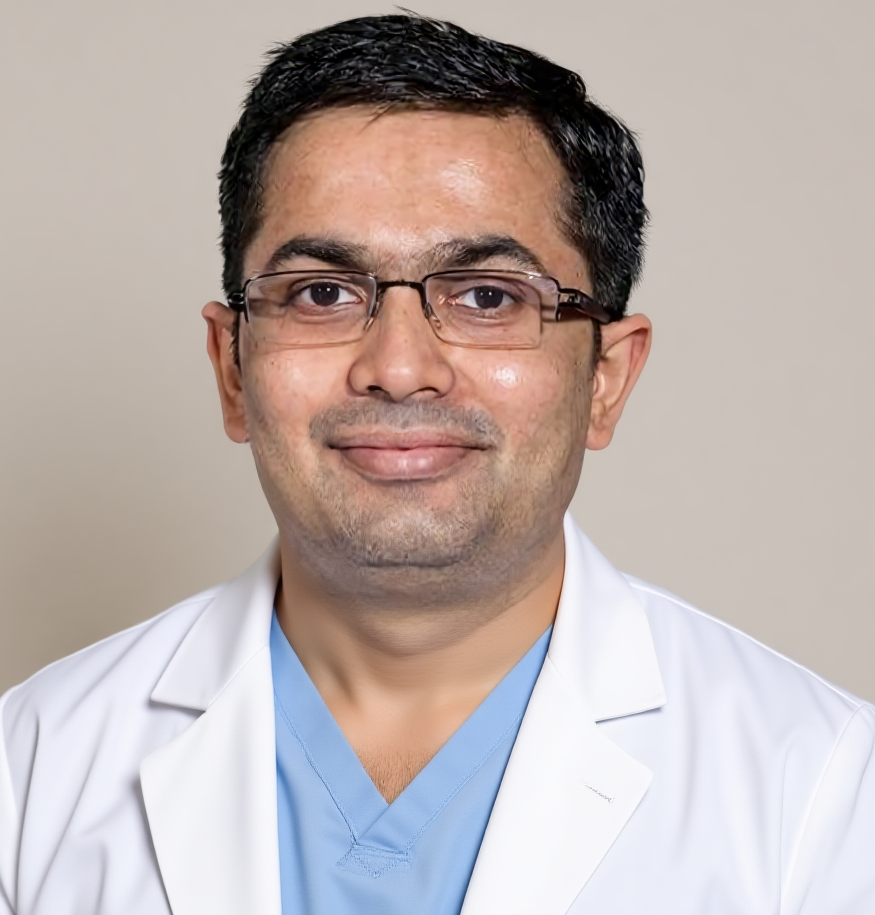
Dr Harsh Shah, GI and proctology surgeon, Ahmedabad

Dr Harsh Shah
MS, MCh (Surgical Gastroenterology), DrNB (Surgical Gastroenterology)
Registered with Gujarat Medical Council, Reg. No. G-38738
GI & Proctology Surgeon
Apollo Hospital, Bhat, Gandhinagar · Gota OPD, Ahmedabad · 18 years of experience
★★★★★ Google rating 4.89 from 216 reviews (Gota clinic) · 4.94 from 18 reviews (Apollo, Bhat)

Why food matters so much after this surgery

After piles or fissure surgery, every motion passes over a healing wound. A soft stool hurts less and lets the wound heal without tearing.

The wound sits right where the stool comes out. A hard stool stretches it and makes you strain. Straining causes pain, and pain makes you hold back, so the next stool is harder still. Food, water and a stool softener break this cycle from the first day.

Some painkillers, especially those with codeine or tramadol, also make stools hard. That is one more reason the diet and softener are not optional. The aim is simple: one soft, easy motion a day, without straining.

The first motion after surgery

The first motion is usually the most sore. It goes better when stools are already soft and the pain tablet has had time to work.

  1. Start eating on the day of surgery. Light home food once you are awake and not feeling sick. Do not stop eating to avoid a motion.
  2. Start the softener the same day. Take it exactly as written on your discharge paper.
  3. Drink warm water. A glass or two in the morning helps the bowel move.
  4. Take the pain tablet first. About thirty minutes before you expect to go.
  5. Go when the urge comes. Do not hold it back. Put your feet on a small stool to raise your knees.
  6. Sitz bath afterwards. Ten minutes in a tub of warm water eases the soreness.

The first motion usually comes within one to three days. If there has been none by the third day, call the clinic.

A day's plate: Indian food that keeps stools soft

Ordinary home food works well. Choose whole grains, dal, vegetables and fruit, and cut down on maida, fried snacks and bakery items.

A simple plan for the weeks after surgery
TimeGood choicesGo easy on
Early morningOne or two glasses of warm water; soaked raisins or two soaked anjeer (figs)Tea or coffee on an empty stomach
BreakfastVegetable poha, vegetable upma, dalia, oats, or a whole-wheat thepla with curdWhite bread, pav, khari, bakery biscuits
Mid-morningPapaya, pear, guava, orange, or a ripe bananaFried farsan, namkeen
LunchWhole-wheat, bajra or jowar roti; dal; a green sabzi; salad; chaas or curdNaan, maida parathas, very spicy curries
EveningFruit, a handful of roasted chana, coconut water or nimbu paniSamosa, chips, cold drinks
DinnerVegetable khichdi with dal, or roti with dal and sabziHeavy late meals, a lot of cheese or paneer, red meat
BedtimeIsabgol in a glass of water or with curd, if prescribedAlcohol

Non-vegetarian food is fine in moderation. Eggs, fish and chicken cooked at home with little oil are easy on the bowel. Red meat and fried dishes are harder, so keep them small for the first few weeks.

Fibre: how much, and how to add it without gas

Aim for about 25 to 30 grams of fibre a day, built up over a few days. Fibre only softens stool when you drink enough water with it.

Most Indian home meals give some fibre already. Whole grains, dal, vegetables and fruit add more. If your food alone is not enough, isabgol (psyllium husk) fills the gap. One or two teaspoons in a full glass of water, or stirred into curd, once or twice a day is common. Your doctor will tell you the dose.

Add fibre slowly. A sudden large amount can cause gas and bloating for a few days. And never take isabgol with only a sip of water. Without water, fibre can make the stool harder, not softer.

Water: how much is enough

Most adults need about 2.5 to 3 litres of fluid a day after surgery. Pale yellow urine is a simple sign that you are drinking enough.

Water, chaas, nimbu pani, coconut water, dal and soups all count. In the Gujarat summer you may need more. Tea and coffee count a little, but too much can dry you out.

If you have heart failure, kidney disease or have been told to limit fluids, do not follow this number. Ask your own doctor how much is safe for you.

Stool softeners: how to use them

A stool softener is part of the treatment, not an extra. Take it daily as prescribed, and adjust it only if stools become loose.

  • Common softeners are lactulose syrup or a polyethylene glycol powder. Use the one on your discharge paper.
  • Aim for a soft, formed motion, like toothpaste. Watery motions also hurt the wound.
  • If stools turn loose, reduce the dose. If they are still hard, call the clinic before adding more.
  • Do not start strong laxatives or home remedies without asking.
  • Most people need the softener for the first few weeks, until the wound has healed.

Spicy food, tea and other common worries

Spicy food does not harm the wound, but it can make the motion sting. Keeping food mild for two to three weeks is more comfortable.

Chilli in the stool can burn as it passes the wound. Mild home cooking is kinder for the first few weeks. One or two cups of tea a day is fine. Milk is fine if it suits you, but large amounts constipate some people. Alcohol dries the body and is better avoided until healing is complete.

How long to keep eating this way

Keep strictly to this diet for at least six weeks, until the wound heals. After that, the same habits help stop piles or a fissure coming back.

Wounds after open haemorrhoidectomy usually take four to six weeks to heal fully. After a sphincterotomy, healing is often faster. The fibre, water and toilet habits that helped you heal are the same ones that protect you later. The piles, fissure and fistula clinic page covers recovery after each treatment.

When to call the clinic

Call if you have had no motion for three days, bleeding that soaks pads, fever, or you cannot pass urine.

  • No motion for three days despite the softener.
  • Bleeding that is more than a few spots, or clots.
  • Fever or chills, or pain that is getting worse instead of better.
  • You cannot pass urine.
  • Loose, watery motions for more than a day.

Frequently asked questions

What should I eat on the first day after piles surgery?

Light home food once you are awake and not sick: khichdi, dal-rice, curd, soft fruit and plenty of water. Start the stool softener the same day.

Can I eat spicy food after fissure surgery?

It does not harm the wound, but it can make the motion sting. Keep food mild for two to three weeks, then return to your usual food.

How much water should I drink after piles surgery?

About 2.5 to 3 litres a day for most adults, unless your doctor has told you to limit fluids because of heart or kidney disease.

Is isabgol safe after surgery?

Yes, and it is often advised. Take it with a full glass of water or in curd, at the dose your doctor gives.

Which foods cause constipation after surgery?

Maida items like white bread, pav and bakery biscuits, fried snacks, a lot of cheese or paneer, red meat and too little water.

How long should I follow this diet?

Strictly for at least six weeks, until the wound heals. The same habits are worth keeping for life to stop the problem coming back.

Can I drink milk after piles surgery?

Yes, if it suits you. Some people find large amounts of milk constipating, so watch how your stools respond.

Related pages

Where Dr Harsh Shah sees patients and operates

Shah’s Gastro, Cancer & Robotic Surgery Centre, Gota, Ahmedabad

SF-203, 2nd Floor, Olive Greens, Gota, Ahmedabad. Consultation, examination and follow-up.

+91-63555-64601 · Directions to the Gota clinic

Apollo Hospital, Bhat, Gandhinagar

Apollo Hospital International Limited, Plot No. 1 A, GIDC Bhat Industrial Estate, Bhat, Gandhinagar. Operations and inpatient care.

+91-63555-64601 · Directions to Apollo, Bhat

Have a piles or fissure operation coming up, or just had one? Your discharge paper or prescription can be sent ahead on WhatsApp, so questions about diet and softeners are answered with it in hand. Call +91-63555-64601 Send your discharge paper

Rate this post

Get health updates from Dr Harsh Shah on WhatsApp

Swasth Parivar: twice a month, practical advice on recovery, diet and warning signs. No advertising. Stop any time.

Your number is used for these updates and for the clinic to reach you. It is never sold or passed on. To stop, reply STOP on WhatsApp.

Dr. Harsh J Shah
Dr Harsh Shah - Surgical Gastroenterologist and GI Robotic Surgeon, Ahmedabad
Privacy Overview

This website uses cookies so that we can provide you with the best user experience possible. Cookie information is stored in your browser and performs functions such as recognising you when you return to our website and helping our team to understand which sections of the website you find most interesting and useful.