Skip to main content
Gastroclinix · Gota OPD, Ahmedabad & Apollo Hospital, Bhat, Gandhinagar
Last updated: 18-Oct-2026
Piles, fissure, fistula and abscess treatment in Ahmedabad · Gota OPD, Gota, Ahmedabad · Apollo Hospital, Bhat, Gandhinagar
Piles, fissure, fistula and abscess are four different problems near the back passage. Each has its own main sign: bleeding, sharp pain, a lump, or pus. Each needs a different treatment.
Dr Harsh Shah treats all four. He uses a small set of established treatments: medicines first, then band ligation, open haemorrhoidectomy, sphincterotomy, fistulotomy, seton or drainage of an abscess.
The first visit is a private talk and a gentle examination. Most people leave knowing which problem they have, whether they need an operation at all, and what happens next.
Dr Harsh Shah is a GI surgeon with 18 years of experience in bowel and back-passage surgery. He sees every patient himself, from first visit to the last check.
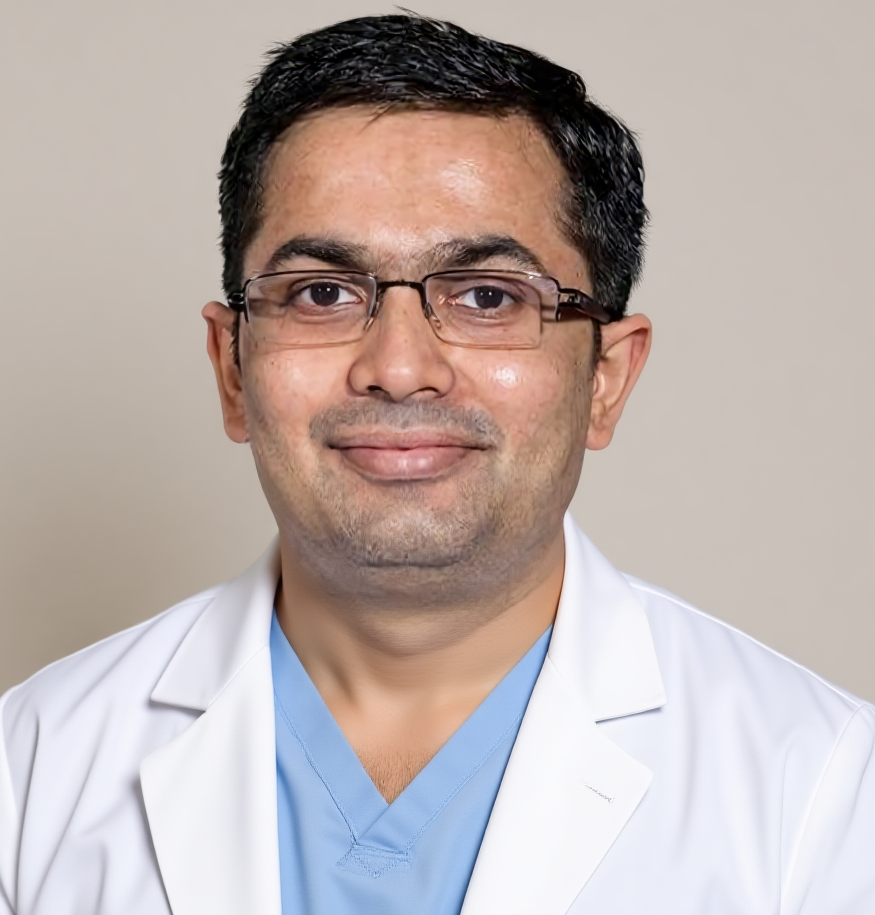
Dr Harsh Shah trained in general surgery and then in surgery of the gut, including the anal canal and the muscles that hold stool. He sees you at the first visit, performs the procedure, and reviews you until the wound has healed.
Dr Harsh Shah
MS, MCh (Surgical Gastroenterology), DrNB (Surgical Gastroenterology)
Registered with Gujarat Medical Council, Reg. No. G-38738
GI & Proctology Surgeon · Apollo Hospital, Bhat, Gandhinagar · Gota OPD, Ahmedabad
Google rating 4.89 from 216 reviews at the Gota clinic, and 4.94 from 18 reviews at Apollo, Bhat.
The main symptom points to the likely problem. Bright blood without much pain suggests piles. Sharp cutting pain suggests a fissure. Pus or a wet opening suggests a fistula.
Many people call every back-passage problem “piles”. The table is a guide, not a diagnosis. Two problems can exist together, and only an examination is sure.
| Symptom | Piles | Fissure | Fistula | Abscess |
|---|---|---|---|---|
| Bleeding | Bright red, drips or splashes in the pan, often with little pain | A streak on the paper or stool, with pain | Blood-stained pus now and then | Rare, unless it bursts |
| Pain | Mild, unless a pile clots or gets stuck outside | Sharp, cutting pain during and for hours after a motion | Mild ache, worse before pus drains | Constant, throbbing, worse each day, hard to sit |
| Swelling or lump | Soft lump that comes out on straining and may go back | A small skin tag at the edge in a long-standing fissure | A small pimple-like opening near the anus | Hot, red, tender swelling beside the anus |
| Discharge | Mucus, itching, wet underwear | Little or none | Pus or watery fluid that stains clothes, on and off for months | Pus if it bursts by itself |
| Fever | No | No | Usually no | Often |
A fistula and an abscess are two stages of the same problem. A small gland inside the anal canal gets infected and forms pus, which is the abscess. When the pus finds its way out through the skin, the tunnel it leaves behind is the fistula. About one in six abscesses later becomes a fistula in published studies, most within the first year.
Dr Shah uses medicines first, then a short list of established operations. He does not use device-based methods. Each operation he uses has decades of published results behind it.
| Treatment | For | What it involves |
|---|---|---|
| Fibre, stool softeners, sitz baths, ointments | Early piles and new fissures | Soft daily stools and warm-water soaks. Many people need nothing more. |
| Rubber band ligation | Bleeding piles, grade 1 to 3 | A small band is placed above the sensitive skin. The pile shrinks and falls off in about a week. A clinic procedure without anaesthesia. |
| Open haemorrhoidectomy | Large piles, grade 3 to 4, or piles that keep coming back after banding | The pile is cut out under anaesthesia. Bridges of normal skin are left between wounds. |
| Lateral internal sphincterotomy | Chronic fissure that has not healed with medicines | A small, measured cut in the inner tight muscle at the side. The spasm eases and the fissure heals. |
| Fistulotomy | Low fistula that crosses little muscle | The tunnel is opened and allowed to heal from the bottom up. |
| Seton | Fistula that crosses more muscle, or has active infection | A soft thread is passed through the tunnel to let it drain. The tunnel is then treated in stages. |
| Abscess drainage | Perianal abscess | The pus is drained under anaesthesia, usually the same or next day. The area is examined for a fistula opening. |
| Method used elsewhere | What it is | Why Dr Shah does not use it |
|---|---|---|
| Laser for piles or fistula | Heat from a fibre shrinks a pile or seals a tunnel | Less pain at first, but problems come back more often in published studies, and the disposable fibre adds cost. |
| Stapler (stapled haemorrhoidopexy) | A circular stapler lifts the piles back up | Long-term results are less lasting than cutting the pile out, and it has its own rare but serious complications. |
| Doppler-guided artery tying (DGHAL, THD) | Blood vessels to the piles are found by ultrasound and tied | Less pain, but more piles return than after removal. |
| Botox injection for fissure | A drug relaxes the muscle for a few months | Spares the muscle, but fissures come back more often than after sphincterotomy. |
| LIFT, flaps, VAAFT, glue or plug for fistula | Muscle-sparing ways to close a tunnel | Valuable for some high or complex fistulas, but each heals fewer tunnels than fistulotomy. Dr Shah will tell you if one suits you better, and where it is done. |
None of these methods is wrong. Each has a place, and good surgeons use them. Dr Shah’s choice is about what he can stand behind for his own patients. The operations he uses are the ones with the longest record and the lowest chance of the problem returning. Doing a small set of operations often keeps them consistent. If your fistula is high or complex and a muscle-sparing operation would protect your control better, he will say so plainly.
Piles are swollen cushions inside the anal canal. They are graded 1 to 4 by how far they come out. The grade decides the treatment.
| Grade | What happens | Usual first step |
|---|---|---|
| 1 | Bleeds but does not come out | Fibre, water, stool softener, and no straining |
| 2 | Comes out on straining and goes back by itself | Banding if diet alone fails |
| 3 | Comes out and must be pushed back | Banding, or haemorrhoidectomy if large or banding fails |
| 4 | Stays out and cannot be pushed back | Open haemorrhoidectomy |
Bleeding is never blamed on piles without looking. Colonoscopy is advised when the picture calls for it, so other causes are not missed. Full details are on our piles treatment page.
A fissure is a small tear in the lining at the edge of the anus. The muscle goes into spasm, which keeps the tear from healing and causes the pain.
A new fissure usually heals in four to eight weeks with soft stools, sitz baths and a muscle-relaxing ointment. A fissure that has lasted longer, with a skin tag or a hard edge, is chronic. If medicines fail, a lateral internal sphincterotomy heals most chronic fissures. The cut is kept short, and shortest in women, because the muscle is what keeps you in control. Our anal fissure page explains the choice.
A fistula is a tunnel from inside the anal canal to the skin outside. It will not close with tablets. Treatment depends on how much muscle the tunnel crosses.
A low tunnel that crosses little muscle is opened in one operation, a fistulotomy. A higher tunnel, or one with active infection, gets a seton first: a soft thread that drains it safely while the plan is made. An MRI shows the path of the tunnel before surgery when it is not clearly low. See our fistula treatment page.
An abscess is a collection of pus beside the anus. Antibiotics alone do not clear it. It needs drainage, usually within a day of diagnosis.
The pain usually builds over two or three days until sitting is hard. Fever is common. Drainage under anaesthesia gives relief within hours. People with diabetes need it urgently, because the infection can spread fast. Read more on our abscess drainage page.
The first visit is a talk, a gentle look and feel, and a short internal view with a small tube called a proctoscope. It takes a few minutes and is rarely more than uncomfortable.
| Test | When it is advised |
|---|---|
| Colonoscopy | Age over about 45 without a recent check, blood mixed with stool, change in bowel habit, low blood count, weight loss, or a family history of bowel disease |
| MRI of the anal area | A fistula that is high, has come back, has several openings, lies at the front in a woman, or comes with bowel inflammation |
| Blood sugar and blood count | Before any operation, and always with an abscess |
| Examination under anaesthesia | When pain makes clinic examination impossible, or to map a fistula before treating it |
Embarrassment keeps many people away for years. The examination is done in a closed room, with you covered.
These problems are seen in clinic every day, and nothing you say will surprise anyone. You can bring a family member or come alone, and stop the examination at any point. No shaving or preparation is needed. Your records are not shared without your consent. If the words are hard to say, a WhatsApp message beforehand is fine.
Recovery depends on the treatment. Banding needs a day or two of rest. Operations are sore for the first few days. Pain is controlled with tablets, sitz baths and stool softeners.
| Treatment | First days | Back to work | Wound healed |
|---|---|---|---|
| Band ligation | Dull ache and fullness for a day or two. Slight bleeding when the band falls off, around day 7 to 10. | Usually the next day | About 2 weeks |
| Open haemorrhoidectomy | The first few days are sore, especially with the first motions. Pain is controlled with tablets, sitz baths and stool softeners. | Usually 2 to 3 weeks | About 4 to 6 weeks |
| Sphincterotomy | Many people notice the fissure pain easing within days. The small wound is mildly sore. | Usually within a week | About 4 to 6 weeks |
| Fistulotomy | Sore wound with some discharge. Warm-water soaks and a pad. | Usually 1 to 2 weeks | About 4 to 8 weeks, longer for bigger tunnels |
| Seton | Mild ache. The thread drains and may stay for weeks. | Within a few days | Depends on the next stage |
| Abscess drainage | Throbbing pain eases within hours. Daily washing of the wound. | Within a week | About 2 to 4 weeks |
Most operations are day care or one night in hospital.
Most back-passage problems can wait for a planned visit. A few cannot. These signs need the nearest emergency department today, or Apollo Hospital, Bhat.
Come at once with any of these.
Every treatment carries some risk. Dr Harsh Shah explains the risks that apply to you in person, before consent.
| Treatment | Risks to know about |
|---|---|
| Band ligation | Pain, bleeding when the band falls off, and piles returning. Rarely, a serious infection, signalled by severe pain, fever and difficulty passing urine. |
| Open haemorrhoidectomy | Pain, difficulty passing urine on the first day, bleeding, rarely a late bleed around day 7 to 10, narrowing of the anus, and piles returning. |
| Sphincterotomy | A small chance of poor control of wind or slight soiling, usually short-lived, and the fissure returning. |
| Fistulotomy and seton | The fistula coming back, slow healing, and some change in control, which is more likely when more muscle is crossed. |
| Abscess drainage | The abscess filling again, or a fistula forming later. |
| Any operation | Infection, bleeding and anaesthetic problems. |
The cost depends on which treatment you need. Medicines and banding cost far less than an operation. The type of operation, anaesthesia and length of stay move the estimate.
Tests such as colonoscopy or MRI, the room category, and a fistula needing more than one stage also count. Dr Shah does not use disposable devices, so there is no device charge added to his operations. Apollo Hospital, Bhat, works with the major insurers and cashless schemes. The office handles pre-authorisation. Banding is a clinic procedure, and some policies pay only for hospital admission, so check your policy. Bring: earlier reports, a list of medicines, the insurance card and identification. You can also call +91-63555-64601 to ask what to bring.
Piles usually bleed without much pain. A fissure causes sharp, cutting pain during and after a motion, with a streak of blood. An examination confirms which one you have, and sometimes both are present.
Often not. Early piles and new fissures usually settle with diet, stool softeners, sitz baths and ointments. Banding treats many bleeding piles in clinic. A fistula and an abscess do need a procedure, because tablets cannot close a tunnel or drain pus.
It is usually only uncomfortable and takes a few minutes. If a fissure makes it too painful, Dr Shah skips the internal part and examines you under anaesthesia later if needed.
Laser, stapler and artery-tying methods cause less pain at first, but in published studies more piles come back than after removal. Dr Shah keeps to banding and open haemorrhoidectomy, which have the longest record. Other centres do these methods, and they are not wrong.
Any operation on the muscle carries a small chance of reduced control of wind or slight soiling. Dr Shah asks about your control before surgery, keeps any muscle cut as small as possible, and uses a seton when a tunnel crosses too much muscle.
No. Antibiotics may calm the discharge for a while, but the tunnel stays and the infection returns. A fistula needs fistulotomy or a seton, chosen by how much muscle it crosses.
Shah’s Gastro, Cancer & Robotic Surgery Centre — Gota, Ahmedabad
SF-203, 2nd Floor, Olive Greens, Gota, Ahmedabad. Consultations, examination and proctoscopy, and follow-up until healing.
Google: Dr Harsh Shah · 4.89 from 216 reviews
Directions to the Gota clinic · +91-63555-64601
Apollo Hospital, Bhat, Gandhinagar
Apollo Hospital International Limited, Plot No. 1 A, GIDC Bhat Industrial Estate, Bhat, Gandhinagar. Operations under anaesthesia and emergency care.
Google: Dr Harsh Shah, Apollo Bhat listing · 4.94 from 18 reviews
Directions to Apollo, Bhat · WhatsApp +91-63555-64601
Patients come to Ahmedabad from across Gujarat, including Gandhinagar, Mehsana, Nadiad, Anand, Rajkot and Kutch, and from southern Rajasthan.
Bleeding, pain or a lump at the back passage that keeps coming back? Any earlier reports, colonoscopy or MRI can be sent ahead, so the consultation starts with them already read. Treatment is decided after examination. Heavy bleeding with clots, or high fever with a painful swelling, needs the nearest emergency department today. Call +91-63555-64601 · Send the reports ahead on WhatsApp
Swasth Parivar: twice a month, practical advice on recovery, diet and warning signs. No advertising. Stop any time.
Your number is used for these updates and for the clinic to reach you. It is never sold or passed on. To stop, reply STOP on WhatsApp.