 Skip to main content
You are here >> Home > Blog > Cancer > Cancer Diagnosis > Diagnosis English > Liver Function Tests
Where to get help
Dr Harsh Shah, MS, MCh (Surgical Gastroenterology), DrNB (Surgical Gastroenterology), performs liver, bile duct and pancreas surgery at Dr. Jivraj Mehta Hospital, Vasna, Ahmedabad.
The OPD is at Dr. Jivraj Mehta Hospital, Vasna, Ahmedabad. Not sure what your report means? Ask us. You can send it on WhatsApp. You can read about the gastroenterology clinic in Ahmedabad on that page. Bring your reports. Second opinions are welcome.
Call +91 63555 64601
Ask on WhatsApp
Last updated: 15 September 2026
Dr Harsh Shah, MS, MCh (Surgical Gastroenterology), DrNB (Surgical Gastroenterology), performs liver resection for liver cancer and surgery for gallbladder and bile-duct disease at Dr. Jivraj Mehta Hospital, Vasna, Ahmedabad.
Where to get help
Dr Harsh Shah, MS, MCh (Surgical Gastroenterology), DrNB (Surgical Gastroenterology), performs liver cancer surgery, including major liver resection at Dr. Jivraj Mehta Hospital, Vasna, Ahmedabad.
The OPD is at Dr. Jivraj Mehta Hospital, Vasna, Ahmedabad. Not sure what your LFT numbers mean? Ask us. Bring the report to the consultation. We will look at it. Send your reports for an opinion. You can read about liver cancer treatment in Ahmedabad on that page. Bring your reports. Second opinions are welcome.
Watch: How liver cancer is diagnosed
Call +91 63555 64601
Ask on WhatsApp
Last updated: 18 September 2026
The key goals of performing Liver Function Tests are:
⦿ Screening for Liver Infections: To check for infections like hepatitis.
⦿ Monitoring Disease Progression: To see if a known liver disease like cirrhosis is getting better or worse.
⦿ Evaluating Treatment: To understand if a treatment for liver disease is effective.
⦿ Checking for Medication Side Effects: Some medicines can affect the liver, and LFTs help monitor this.
⦿ Assessing Liver Damage: To determine the extent of damage or scarring (cirrhosis) in the liver.
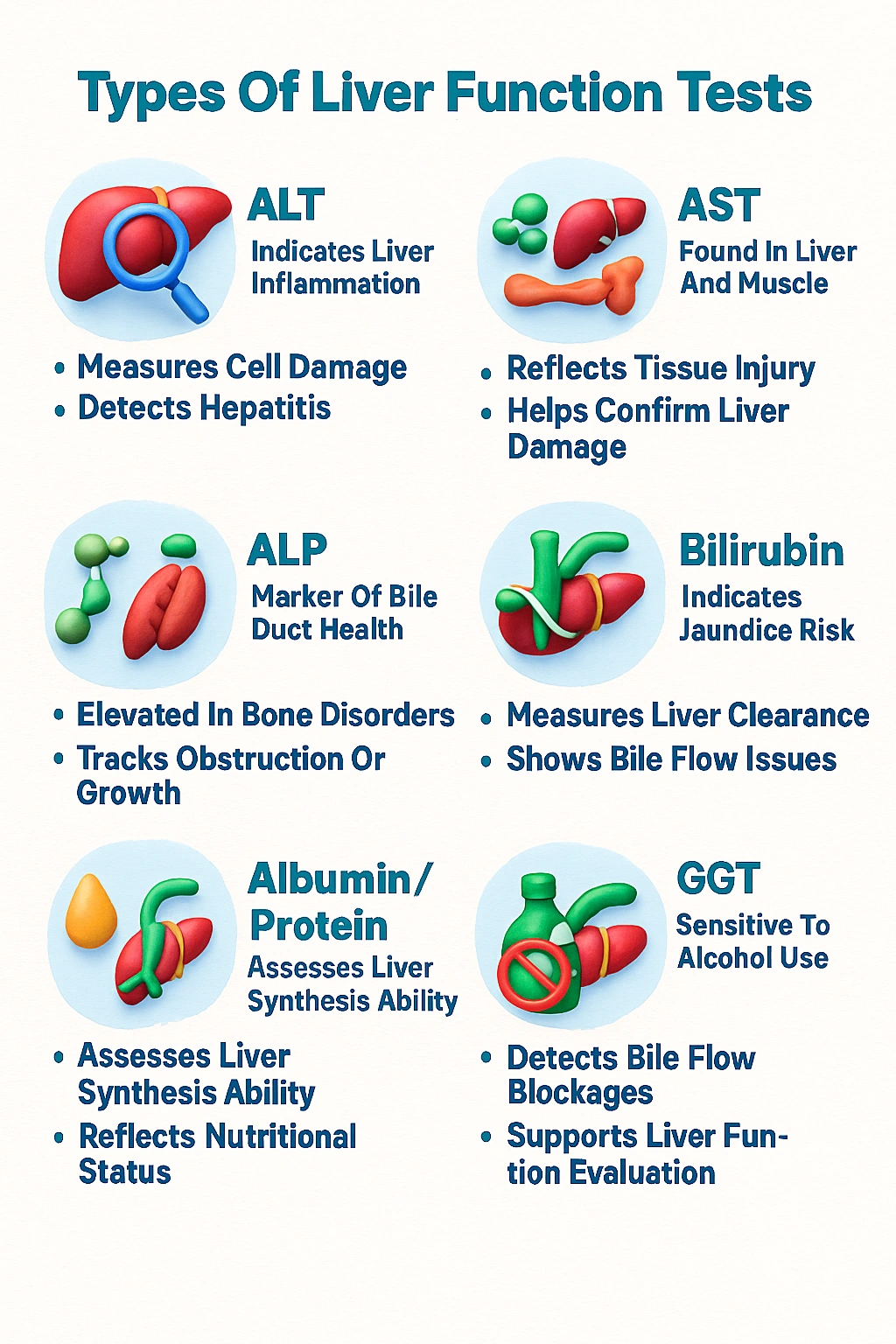
| Test Name | What It Measures | What Abnormal Levels Might Mean |
|---|---|---|
| Alanine Transaminase (ALT) | An enzyme primarily found in the liver. | High levels strongly suggest liver cell damage or inflammation (e.g., from hepatitis). |
| Aspartate Transaminase (AST) | An enzyme found in the liver, heart, and muscles. | High levels can indicate liver damage, but also issues with other organs. |
| Alkaline Phosphatase (ALP) | An enzyme found in the liver, bile ducts, and bones. | High levels often point towards blocked bile ducts, gallstones, or certain liver diseases. |
| Bilirubin | A waste product from the breakdown of red blood cells. | High levels can cause jaundice and may indicate problems with the liver's ability to process waste. |
| Albumin | A key protein made by the liver. | Low levels can signal chronic liver disease or cirrhosis, as the liver's ability to produce protein is reduced. |
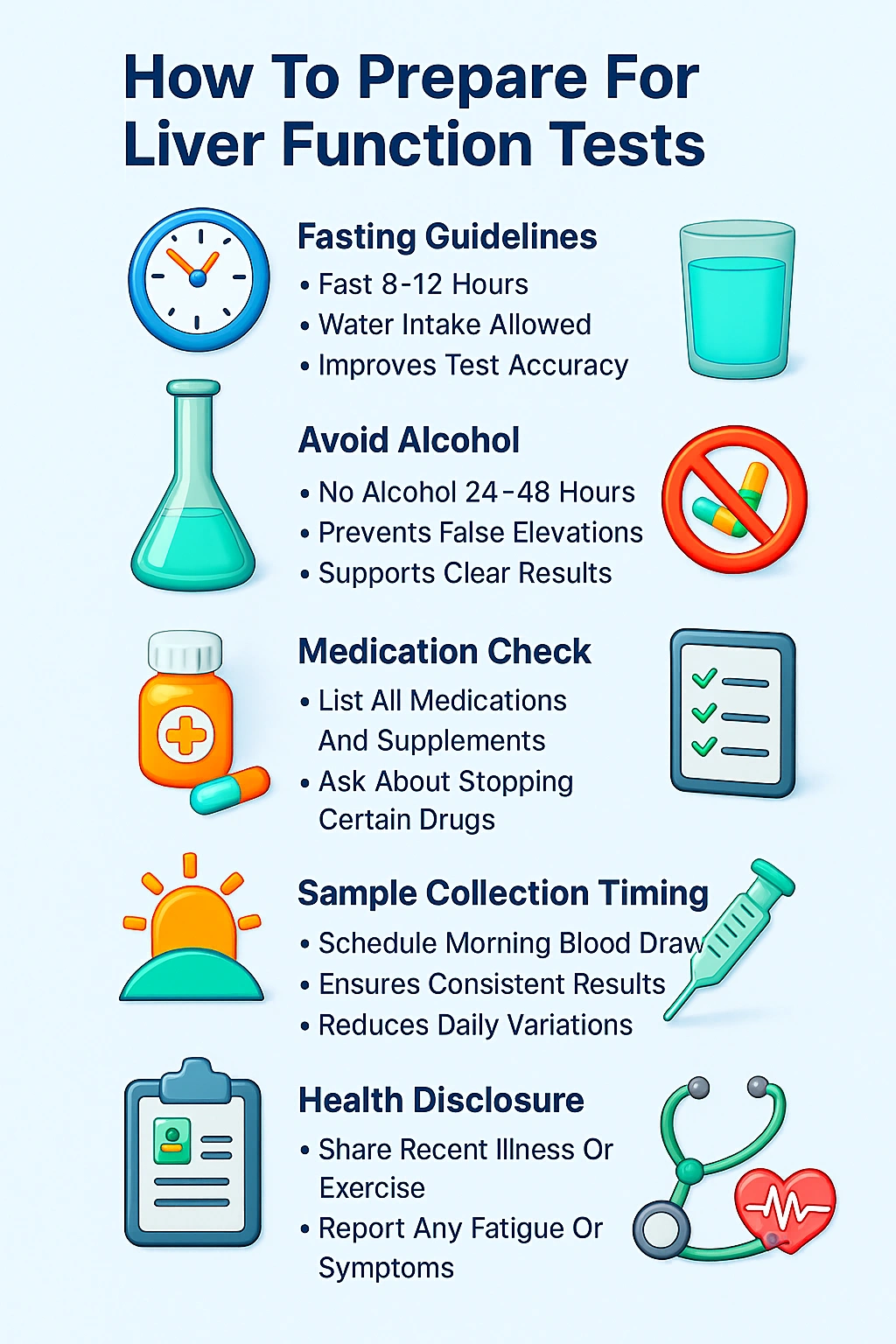
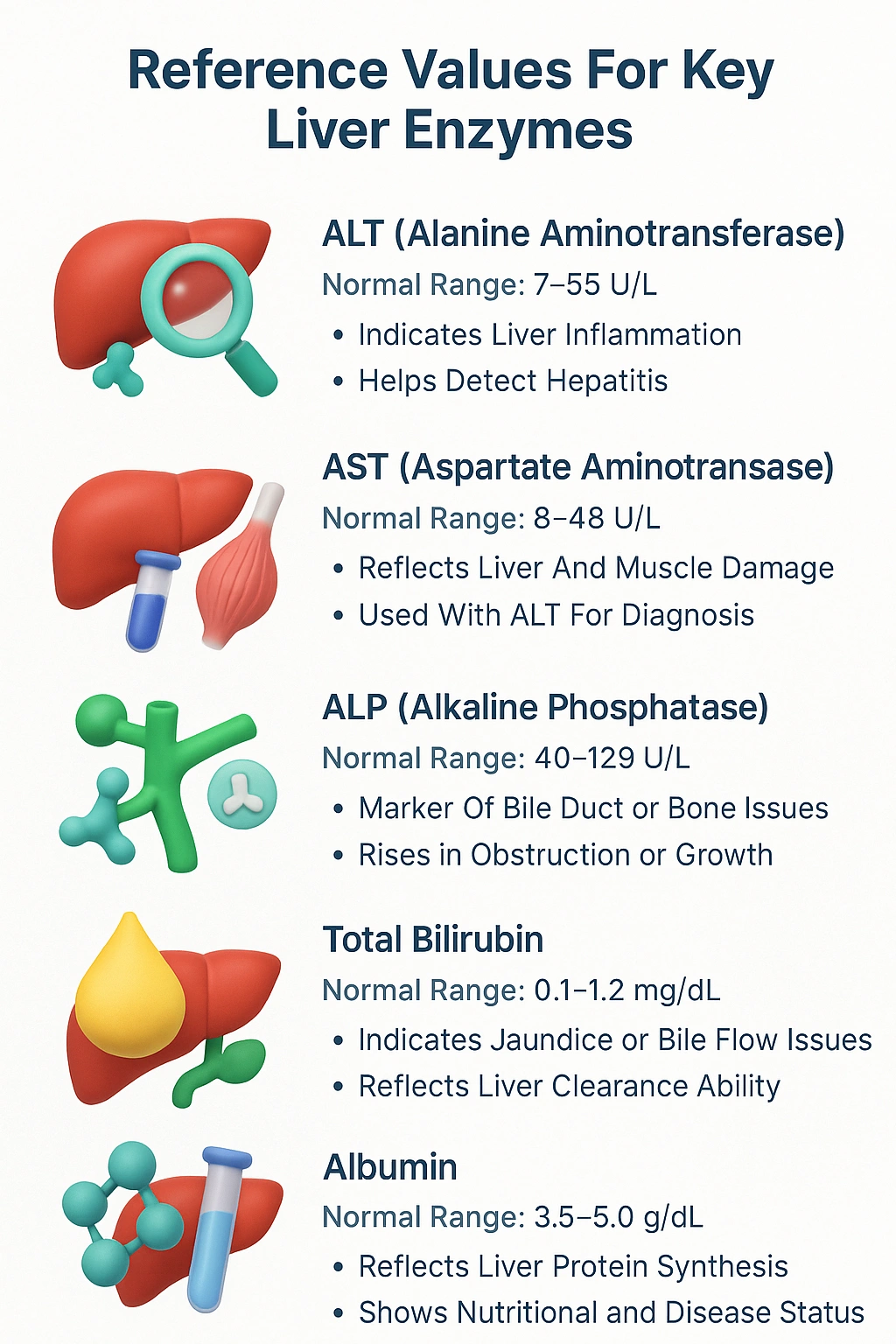
| Test Parameter | Typical Normal Range | Potential Meaning of High Levels | Potential Meaning of Low Levels |
|---|---|---|---|
| ALT | 7 - 55 U/L | Liver cell damage (hepatitis, fatty liver, drug injury). | Generally not a concern. |
| AST | 8 - 48 U/L | Liver damage, muscle injury, or heart problems. | Generally not a concern. |
| ALP | 40 - 129 U/L | Blocked bile ducts, gallstones, bone disorders. | Malnutrition, zinc deficiency (rare). |
| Total Bilirubin | 0.1 - 1.2 mg/dL | Liver disease, bile duct blockage, Gilbert's syndrome. | Generally not a concern. |
| Albumin | 3.5 - 5.0 g/dL | Inflammation, shock, malnutrition. (A liver function test total protein high result might indicate other issues). | Chronic liver disease (cirrhosis), kidney disease, malnutrition. |
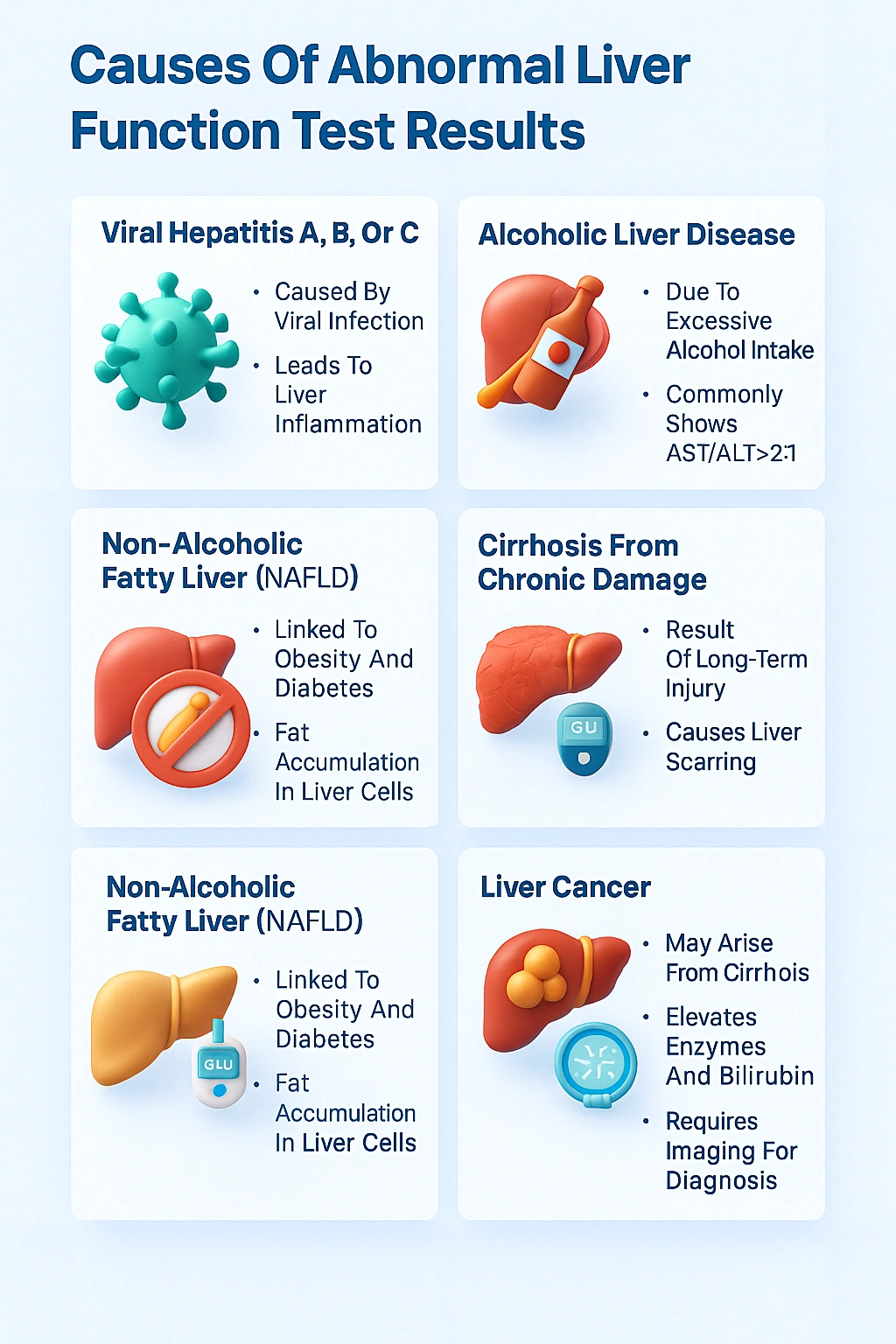
After an abnormal LFT, one of the most common follow-up steps is an imaging test. These tests create pictures of your liver and surrounding organs.
In some cases, the doctor might need to examine a small piece of your liver tissue directly. This is done through a liver biopsy. A thin needle is used to take a tiny sample of the liver, which is then examined under a microscope. This can help determine the exact type and extent of liver damage.
A less invasive alternative is a FibroScan. This is a special type of ultrasound that measures the stiffness of the liver. A stiffer liver usually means more scarring (fibrosis or cirrhosis), and this test can help assess the level of damage without a biopsy.
Once the cause of the abnormal LFT is identified, treatment can begin. This often involves a combination of lifestyle changes and medications.
What you eat has a direct impact on your liver. A healthy, balanced diet can help prevent conditions like fatty liver disease.
Some things are particularly hard on your liver and should be limited or avoided.
You can protect your liver from viral hepatitis by getting vaccinated. Vaccines are available for Hepatitis A and Hepatitis B. Practicing good hygiene, such as washing your hands thoroughly, is also important to prevent the spread of Hepatitis A. To avoid Hepatitis B and C, never share needles, razors, or toothbrushes, and ensure any tattoos or piercings are done with sterile equipment.
| Foods to Include for a Healthy Liver | Foods to Limit or Avoid | Why It Matters |
|---|---|---|
| Oatmeal, Brown Rice, Whole Grains | Sugary Sodas, Packaged Snacks, Sweets | Fiber helps with digestion and reduces stress on the liver. High sugar can lead to fat buildup in the liver. |
| Broccoli, Spinach, Leafy Greens | Fried Foods, Fast Food | These vegetables are packed with antioxidants that protect the liver from damage. Unhealthy fats cause liver inflammation. |
| Garlic, Onions, Turmeric | Excess Salt, Canned Soups, Processed Meats | These contain compounds that help the liver detoxify the body. High salt intake can lead to fluid retention and strain the liver. |
| Green Tea, Coffee (in moderation) | Alcohol, Beer, Wine | Antioxidants in these beverages may help reduce the risk of liver disease. Alcohol is a direct toxin to liver cells. |
| Lean Protein (Fish, Chicken, Beans) | Red Meat, Full-Fat Dairy | Provides essential amino acids without adding excessive saturated fat. Saturated fats contribute to fatty liver disease. |
MS, MCh (GI), DrNB (GI)
Registered with Gujarat Medical Council, Reg. No. G-38738
Dr Harsh Shah is a well known Gastro, Cancer & Laparoscopic Surgeon in ahmedabad. He treats cancers of esophagus, stomach, liver, pancreas, colon, rectum & small intestines. He is available at Dr. Jivraj Mehta Hospital, Vasna, Ahmedabad.
Swasth Parivar: every week, practical advice on recovery, diet and warning signs. No advertising. Stop any time.
Your number is used for these updates and for the clinic to reach you. It is never sold or passed on. To stop, reply STOP on WhatsApp.
